What Is a Flower Bouquet Called? A Guide to the Right Words
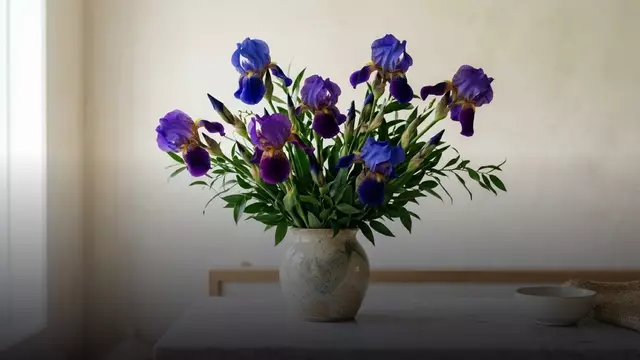
A group of cut flowers gathered and arranged to be held is called a bouquet. Depending on its size, shape and purpose, you may also hear it called a posy, nosegay or hand-tied bouquet. A bunch of flowers is a broader, everyday expression, while a floral arrangement can include flowers displayed in a vase or another container.
You do not need specialist vocabulary to choose a good flower gift. What helps most is describing how you want it to look, where the recipient will display it and whether they will need a vase. Here is how to use the common names, explain your preferences clearly and arrange a delivery to someone in Russia.
Bouquet, bunch or arrangement: which word should you use?
Use “bouquet” when you mean cut flowers composed as a single design, usually with their stems gathered together. The flowers may be all one variety or a mixture, and foliage may be included. Wrapping helps present and protect them, but it does not define the bouquet: an unwrapped collection of thoughtfully arranged stems can still be a bouquet.
A “bunch” is a less specific term. It can describe flowers grouped for sale, stems picked from a garden or a casual gift, without saying much about the design. In everyday conversation, “a bunch of flowers” and “a bouquet” often mean the same thing. When ordering, add the flower type, colour and intended size so the wording leaves less room for interpretation.
“Floral arrangement” is the wider category. It can describe a bouquet, but it is particularly useful for flowers designed in a vase, bowl, basket or other container. If you want something the recipient can place directly on a table, explain that requirement rather than relying on “arrangement” alone. The word itself does not establish whether a container is included.
What do posy, nosegay and hand-tied bouquet mean?
A “posy” usually means a small, compact bouquet that is easy to hold in one hand. “Nosegay” is a more traditional word for a small bouquet, historically associated with fragrant flowers. Modern usage overlaps, so neither term tells you the exact flowers, stem count or scent. If fragrance matters, ask about the actual varieties rather than choosing by the name.
A “hand-tied bouquet” describes how the stems are gathered and secured. The term does not specify a particular size or flower mixture: a hand-tied design can be compact and rounded or looser in outline. It also does not automatically mean the flowers arrive in a vase. Check the product description and ask about anything the recipient will need after delivery.
Other names describe a shape or occasion. A cascading bouquet trails downwards and is often associated with weddings; a presentation bouquet typically has a longer shape intended to rest along an arm. These terms are useful starting points, but a clear description of the outline you want is more helpful than a technical name used on its own.
Bouquets we can deliver




How to describe the bouquet you actually want
Start with three decisions: the main flowers, the colour palette and the overall shape. For example, “a rounded bouquet of white roses with little greenery” communicates much more than “an elegant bouquet”. If you are open to mixed flowers, say whether you prefer a close palette, such as pink and cream, or stronger contrasts. Separate essential details from preferences.
Next, explain the scale and setting. A bouquet for a small desk needs a different footprint from flowers intended for a spacious dining table. Stem count alone is an imperfect guide to visual size because flower heads, branching stems and foliage vary. Where dimensions are listed, use them alongside the photograph, and ask for clarification if the size remains unclear.
Use the bouquets catalogue to find a visual starting point, then describe the features you like: a compact outline, visible flower heads, restrained foliage or a particular colour balance. If a catalogue title sounds poetic, treat it as the product name. Check the listed contents and description rather than assuming the title establishes its composition or meaning.
Meanings and etiquette when giving flowers in Russia
For a personal gift in Russia, an odd number of stems is the customary choice when the flowers are readily countable. Even numbers are traditionally associated with mourning. This distinction is particularly relevant to simple bouquets of roses or tulips; with mixed designs, avoid guessing the count from a photograph and check the description if it matters to you.
Colour meanings depend on the recipient, the occasion and personal associations. Red roses often suggest romance, but no colour carries one universal message. Yellow flowers can be a cheerful choice for someone who enjoys them, yet a recipient may have different associations. Their known preferences are a stronger guide than a rigid flower symbolism chart.
Make the intention clear in the card, especially if the relationship could be misunderstood. “Congratulations on your new role” or “Thinking of you on your birthday” gives the flowers context. Turboflora includes a card with your text free of charge. Delivery is anonymous by default: the courier does not name the sender, so sign the message if you want the recipient to know.
How to order a bouquet for delivery in Russia
Turboflora delivers flowers across Russia. Before choosing a delivery option, gather the recipient’s address and contact details, decide on the card text and check the date in the destination city’s local time. City delivery costs 500 RUB; for remote districts and suburbs, the operator confirms the delivery price when confirming the order. See delivery and payment for the ordering information.
In large cities, express delivery is available within 1–2 hours after the order is confirmed. You can also arrange an exact time with a tolerance of plus or minus 30 minutes, choose a 09–12, 12–15, 15–18 or 18–21 window, or pre-order 1–30 days ahead. For an occasion with a fixed start, explain when the recipient needs the flowers and agree the timing during confirmation.
Contact a manager on WhatsApp for help choosing a bouquet, agreeing the time, address and card text, or arranging a photo of the bouquet before delivery. Online checkout uses CloudPayments; check the payment options displayed there, as acceptance of every foreign card is not guaranteed. The courier calls the recipient about 15 minutes before arrival. If they are absent, we agree a second delivery that day or a handover to a neighbour or concierge with the sender’s consent.
What to do with a bouquet after it arrives
For a bouquet of loose cut stems, prepare a clean vase before unpacking it fully. Remove any leaves that would sit below the waterline, then trim the stem ends with a clean, sharp tool and place the flowers in water promptly. Remove transport packaging that obstructs the vase or could become wet, while keeping the stems supported as you handle them.
If the bouquet comes with flower food, follow the packet’s dilution instructions rather than estimating the amount. Check the water level daily, especially with a full bouquet, and refresh the water regularly. Clean the vase when changing it and remove fallen leaves or deteriorating flowers. These simple checks help prevent dirty water from becoming a neglected part of the display.
Choose a display spot away from direct sun, radiators and strong draughts. Keep flowers away from ripening fruit, which can accelerate ageing in sensitive varieties. Care needs and vase life vary with the flowers and their condition, so avoid expecting every stem to last equally long. If the gift arrives in a container with a support material, ask how to replenish its water before taking the design apart.
Frequently asked questions
What is the most common name for a group of flowers?
For cut flowers gathered into a gift, “bouquet” is the most useful word. “Bunch of flowers” is a common everyday alternative, while “floral arrangement” is a broader term that can include designs in containers.
What is a small flower bouquet called?
A small, compact bouquet is often called a posy or nosegay. The terms overlap, so describe the flowers, colours and size you want rather than relying on the name alone.
Does a hand-tied bouquet include a vase?
The term “hand-tied” describes how the stems are gathered and secured; it does not establish that a vase is included. Check the product description or ask before ordering.
Should a bouquet sent to Russia have an odd number of flowers?
An odd number is the customary choice for a personal gift when the stems are readily countable. Even numbers are traditionally associated with mourning, so check the count when selecting a simple bouquet.
Can I send flowers to Russia without naming myself?
Yes. Turboflora delivery is anonymous by default, and the courier does not name the sender. If you want to identify yourself, add your name to the text of the free card.
Ready to send flowers?
Pick the city, choose the bouquet, and a local florist takes it from there.
Choose a city →