What should you do if cut flower stems feel slimy in the vase?
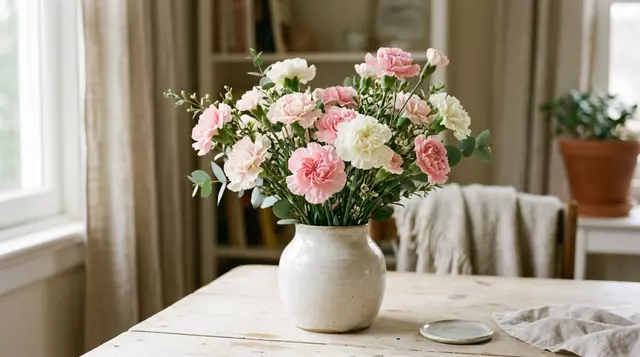
If your cut flower stems feel slimy in the vase, take the flowers out, empty and wash the vase, and gently rinse the submerged parts of the stems. Recut firm stems with a clean, sharp tool, remove leaves that would sit underwater, and return the sound flowers to fresh water with correctly diluted cut flower food if available. Discard stems that are soft, collapsing or rotten rather than putting them back.
A slippery surface deserves attention even when the flowers still look attractive. Check the texture of the stem beneath the coating: a firm stem with surface residue needs a different response from one whose tissue is breaking down. Work through the bouquet stem by stem so you can keep usable flowers without returning decaying material to the clean vase.
Check whether the slime is on the surface or in the stem
Start with the section that was underwater, particularly near the cut end and any submerged leaves. A slippery film, cloudy water and an unpleasant smell are signs that the vase needs cleaning. Microbial growth and decomposing plant material can contribute to this build-up, but appearance alone cannot identify exactly what is present.
Gently rinse one affected stem under running water, keeping the flower head out of the stream. If the coating washes away and the stem underneath remains firm and intact, it may be worth keeping. If the surface slips off, the stem crushes easily or a damaged patch extends upwards, remove that stem from the bouquet.
Colour is only one clue: some healthy stems are naturally dark or unevenly coloured. Give more weight to a change in firmness, a foul smell or tissue that is visibly breaking down. Some flowers also release sap or mucilage when cut, so slippery residue alone does not prove rot; inspect the tissue and refresh the vase before deciding.
Clean the vase before you prepare the flowers
Set the flowers on a clean surface while you empty the vase. Remove loose leaves and plant fragments, then wash the inside with washing-up liquid and a vase brush, reaching the base, corners and waterline. Rinse thoroughly. Simply topping up old water leaves the existing film and debris in place, even if the vase looks fuller and clearer afterwards.
Choose another clean container if you cannot reach or scrub the inside of the original vase. A narrow neck can hide residue below the shoulder, and decorative containers can be difficult to inspect. The useful test is whether you can remove the visible film and rinse away the cleaning product, rather than whether the outside looks spotless.
If you use a disinfectant, choose one labelled as suitable for the container and follow its directions, including any rinsing instructions. Never mix cleaning products, and keep them away from the flowers. Wash your hands after handling slimy stems and clean the cutting tool before working on the stems you intend to keep.
Bouquets we can deliver




Rinse and recut stems that are still sound
Use a gentle stream of water and your fingers to remove loose residue from firm stems. Avoid scraping with a knife, peeling away the outer tissue or scrubbing with an abrasive pad: these actions can injure a stem that was otherwise usable. Remove submerged leaves carefully, without stripping or tearing a long section of the stem.
With a clean, sharp knife or suitable flower snips, cut above the affected end into firm tissue. There is no universal trimming length that makes every slimy stem healthy again. Inspect the new end and the remaining stem; if softness or decay continues upwards, discard it. A fresh cut cannot restore tissue that has already broken down.
Make a clean cut without crushing the stem, then place it promptly into the prepared water. If trimming leaves some flowers much shorter, arrange them in a smaller clean vase rather than forcing them to reach the water in a tall one. Our guide to cutting flower stems for a longer vase life explains the cutting step in more detail.
Refill with fresh water and avoid improvised treatments
Fill the clean vase with fresh drinking-quality water, allowing enough depth for every cut end to stay submerged. Keep foliage above the waterline. If you have commercial cut flower food, measure the water and follow the packet's dilution instructions; a packet intended for a larger volume should not be emptied into a small vase by guesswork.
Do not add extra sugar, vinegar, alcohol or household cleaners as a treatment for slimy stems. Improvised mixtures are difficult to dose and may damage the flowers or fail to control the problem. If flower food is unavailable, use fresh water and attentive cleaning rather than experimenting with a household recipe.
Check the water level each day and replace the water promptly if it becomes cloudy, smells unpleasant or develops floating debris. Clean the vase again if a film returns. Keep the arrangement away from direct sunlight, heaters and other sources of heat, which can increase water loss and make it harder for struggling flowers to stay hydrated.
Decide what to keep as the bouquet recovers
After cleaning and recutting, check the flowers again later that day and the following morning. Look for firm stems, water reaching every cut end and no return of a slippery coating or unpleasant smell. Some flowers may regain firmness after access to fresh water improves, but cleaning does not guarantee that wilted blooms will recover.
If one stem develops slime again while the others remain sound, remove it and inspect the rest. When you are uncertain about a particular flower, put it in a separate clean vase so you can observe it without returning it to the main arrangement. Remove fallen petals and leaves before they sit in the water and begin to break down.
Discard flowers with mushy stem sections, spreading decay or a persistent rotten smell. A flower head can still look presentable while the submerged stem is failing. Keep the healthy remainder as a smaller arrangement, adjusting the vase to suit its new height; repeated trimming is useful only while enough firm stem remains to support the flower.
Make care straightforward when sending flowers to Russia
If you are sending flowers to someone in Russia from abroad, you can share a short care note: use a clean vase, keep leaves out of the water, check the water daily and deal with slippery stems promptly. Turboflora includes a free card with your text. Delivery is anonymous by default, so sign the card if you want the recipient to know who sent the flowers.
Choose from the bouquets catalogue, then contact a manager on WhatsApp for help choosing a bouquet and agreeing the address, delivery time and card text. You can also arrange a photo of the bouquet before delivery. If you are enquiring about slimy stems after arrival, describe their condition and when you first noticed the problem.
We deliver across Russia. City delivery costs 500 RUB; the operator confirms the price for remote districts and suburbs when confirming the order. Express delivery in large cities takes 1–2 hours after confirmation, and you can pre-order 1–30 days ahead. See delivery and payment for planning; checkout uses CloudPayments, so check the payment options displayed there.
Frequently asked questions
Can I just rinse slimy stems and put them back in the same water?
Empty the old water and clean the vase first, then rinse and inspect the stems. Returning them to a vase with residue leaves the source of the build-up in place.
Does a slimy stem mean I must throw away the whole bouquet?
Inspect each stem separately and keep those that remain firm after rinsing and trimming. Discard stems with soft, collapsing or rotten tissue, and use a clean vase for the remaining flowers.
Should I add more flower food if the water becomes cloudy?
Cloudy water calls for fresh water and a clean vase. Prepare any new flower-food solution at the dilution stated on the packet; extra concentrate is not a treatment for decaying stems.
How much should I cut off a slimy flower stem?
Cut above the affected end into firm, intact tissue rather than following a fixed measurement. If decay continues along the stem or too little sound stem remains to hold the flower, discard it.
Will a drooping flower recover after I remove the slime?
It may improve if the remaining stem is sound and can take up water after cleaning and recutting. Drooping caused by advanced decay or damaged tissue may persist, so recovery cannot be guaranteed.
Ready to send flowers?
Pick the city, choose the bouquet, and a local florist takes it from there.
Choose a city →