Where does this come from? A guide to Russian flower etiquette
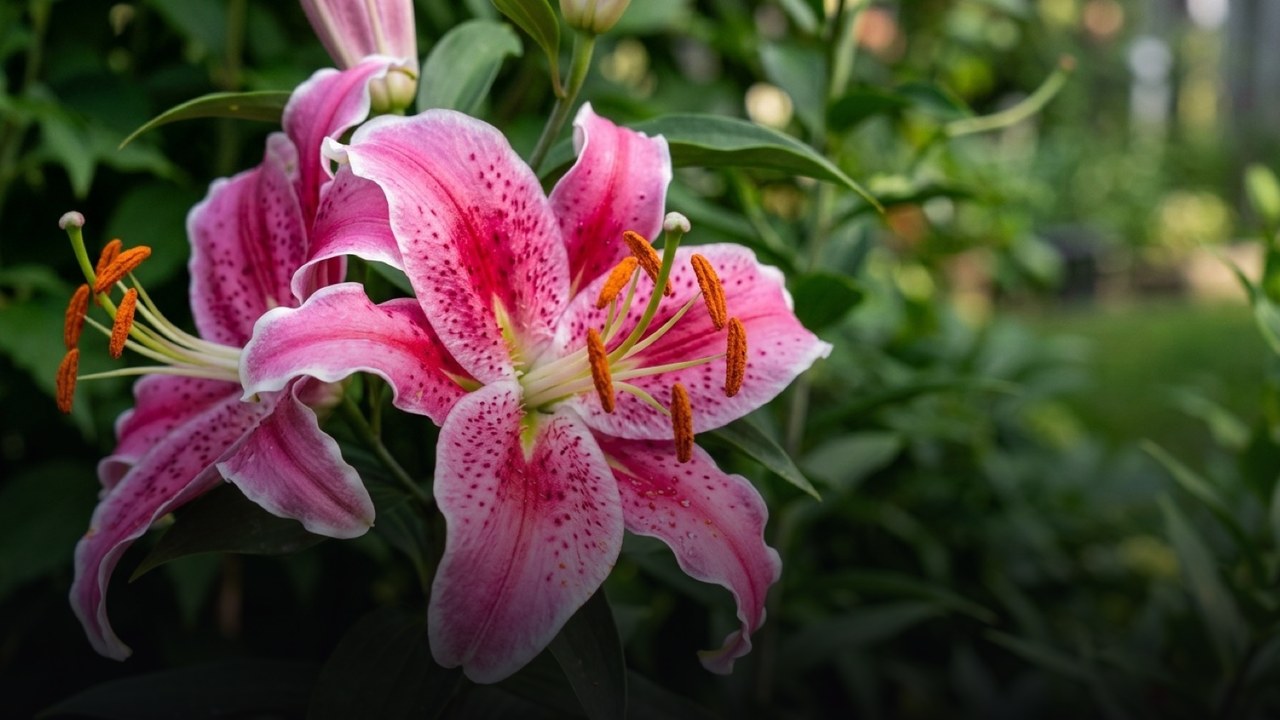
If you mean the Russian custom of giving an odd number of flowers, it comes from a cultural distinction between celebration and mourning: odd counts are customary for happy occasions, while even counts are associated with funerals and remembrance. Its precise historical origin is less certain, so it is better understood as an established convention than explained through a single supposed founding story.
That distinction matters when you send flowers to someone in Russia, especially if you grew up with different gift traditions. But counting stems is only one part of choosing well. The occasion, your relationship with the recipient, the message and the delivery arrangements all help make your intention clear. Here is how to turn an unfamiliar custom into a thoughtful gift without overcomplicating the decision.
Where the odd-number custom fits into everyday gifting
For a birthday, anniversary, thank-you or romantic gesture in Russia, an odd number is the familiar choice when individual flowers can readily be counted. The distinction is especially noticeable in a simple bunch of one kind of flower. An even count may suggest mourning to the recipient, even when the sender intended an entirely cheerful gift.
The practical lesson is stronger than any uncertain explanation of the custom's beginnings: respect the association your recipient is likely to recognise. Avoid treating an appealing story about ancient beliefs as a settled historical fact. You can follow the etiquette confidently without claiming that every Russian person observes it or gives it exactly the same meaning.
With a mixed bouquet, flower heads, branching stems and greenery can make counting less straightforward. Do not count leaves or decorative foliage as flowers to reach a particular number. If the count matters to you, make that part of your selection discussion. Our guide to odd numbers in Russian flower gifting explains the convention in more detail.
Flower meanings depend on the person and the occasion
Colour gives a bouquet a tone, but it does not work like a universally understood code. Red roses commonly suggest romance, which may make them suitable for a partner and less comfortable for a professional acquaintance. Soft colours can feel gentle; a bright mixture can feel celebratory. These are useful starting points, not rules that override personal taste.
Be cautious with claims that a particular colour always means separation, jealousy or another fixed message. A recipient who loves yellow flowers may welcome them far more than a supposedly safer colour they dislike. If you know their favourite flower or colour, that personal knowledge usually gives you a better basis for choosing than a list of symbolic meanings.
When your intention could be misunderstood, put it into words. A short message such as “Thank you for looking after Dad this week” gives the bouquet a clear purpose. For a colleague, keep the wording friendly and specific; for a partner, write in your own voice. A card with your text is free, so you can explain the gesture without relying on the flowers to say everything.
Bouquets we can deliver




Choose a bouquet for the recipient's real circumstances
Start with three questions: what are you marking, what does this person enjoy, and where will they receive the flowers? A bouquet for a birthday at home has a different context from a thank-you arriving during a working day. Look through the bouquets catalogue with those answers in mind, rather than choosing only by the most dramatic photograph.
Think about what happens after the handover. Someone who is travelling later that day may have difficulty carrying a large bouquet, while a person working in a shared space may prefer a quieter gesture. You do not need to guess what they can manage: use what you already know about their routine, or ask a simple practical question before settling on the gift.
Pets are another reason to check the choice carefully. Lilies can be dangerous to cats, including through exposure to pollen and vase water. If the recipient has cats, flag that before choosing and ask for help checking the proposed bouquet. Where you do not know the plants involved, avoid assuming that an arrangement is suitable simply because it is a common gift.
Plan the arrival around availability, not just the occasion
A well-chosen bouquet still needs a workable arrival time. If you are ordering from abroad, check the date and local time at the destination before agreeing delivery details; Russia spans several time zones. For a birthday surprise, consider when the recipient will actually be available, rather than assuming that the beginning of your own day is the right moment for theirs.
We deliver flowers across Russia. In large cities, express delivery is available in 1–2 hours after the order is confirmed. Other timing options are delivery at an exact time with a tolerance of plus or minus 30 minutes, or the windows 09–12, 12–15, 15–18 and 18–21. You can also pre-order 1–30 days ahead. Choose the option that fits the recipient's plans.
The courier calls the recipient about 15 minutes before arrival, so allow for that call when planning a surprise. If the recipient is absent, we agree a second delivery the same day or, with your consent, hand the flowers to a neighbour or concierge. City delivery costs 500 RUB; for remote districts and suburbs, the operator confirms the price when confirming the order.
Make the sender and the message as clear as you intend
Delivery is anonymous by default: the courier does not name the sender. That can suit a private gesture, but it also means that a recipient may be left wondering where the bouquet came from. If you want them to know immediately, include your name in the card text. Do not assume that your relationship, the flower colour or the delivery date will identify you.
Before ordering, gather the recipient's address, phone number, preferred timing and the exact words for the card. Check apartment or office details carefully, especially when you are copying an address between languages. You can contact a manager on WhatsApp for help choosing a bouquet, agreeing the time and address, preparing the card text and arranging a photo of the bouquet before delivery.
Online checkout uses CloudPayments. Check the payment options displayed there instead of assuming that a card issued abroad will be accepted. The delivery and payment information is useful when planning your order. If you are working towards a particular occasion, leave room to check the checkout options and confirm the order before relying on an express delivery interval.
Help the flowers settle in after delivery
For a cut bouquet intended for a vase, begin with a clean vase and fresh water. Remove any leaves that would sit below the waterline, then trim the stem ends with a clean, sharp tool before placing them in water. If flower food is supplied, follow its directions rather than guessing the concentration. Different flowers have different needs, so follow any specific care guidance provided.
Place the vase away from radiators, direct sunlight and ripening fruit. Check the water daily, replenish it as needed and change it when it becomes cloudy, cleaning the vase at the same time. Remove fading flowers and submerged plant material promptly. These ordinary steps help keep the arrangement clean; they do not establish a fixed vase life for every bouquet.
During cold weather, avoid leaving flowers outdoors after handover. If the bouquet has arrived wrapped and feels cold, allow a gradual transition indoors before unwrapping it fully, and keep it away from a direct blast of heat. If it is arranged in a container rather than supplied as loose stems, ask for care instructions suited to that arrangement instead of dismantling it to follow vase advice.
Frequently asked questions
Where does the Russian odd-number flower custom come from?
It reflects an established cultural distinction: odd numbers are customary for celebratory gifts, while even numbers are associated with mourning. Its precise historical beginnings are uncertain, so a single origin story should not be treated as proven.
Will the recipient know who sent the flowers?
The courier does not name the sender because delivery is anonymous by default. Include your name in the free card text if you want the recipient to know who sent the bouquet.
How quickly can you deliver flowers in Russia?
In large cities, express delivery is available in 1–2 hours after the order is confirmed. You can also choose an exact time with a tolerance of plus or minus 30 minutes, a listed delivery window, or pre-order 1–30 days ahead.
Can I pay for an order with a foreign card?
Online checkout uses CloudPayments; check the payment options displayed at checkout. Acceptance of every foreign-issued card is not guaranteed.
What happens if the recipient is not there?
We agree a second delivery the same day or arrange to hand the flowers to a neighbour or concierge with the sender's consent. The courier calls the recipient about 15 minutes before arrival.
Ready to send flowers?
Pick the city, choose the bouquet, and a local florist takes it from there.
Choose a city →