White Flowers in Russia: Pure Gesture or Wrong Occasion?
You have found the most beautiful white arrangement — garden roses so pale they look like porcelain, or ranunculus layered like tissue paper — and you are certain the person receiving it will love it. Then someone warns you that white flowers carry a difficult meaning in Russia. Suddenly you are not sure whether to send them at all. The truth is more nuanced than that warning suggests, and understanding it will help you choose with confidence rather than anxiety.
Why White Flowers Carry a Complicated Reputation in Russia
In many parts of Russia, particularly among older generations and in more traditional households, white flowers are associated with solemn occasions. This association comes from Orthodox Christian funeral and memorial customs, where white symbolises purity in a spiritual rather than celebratory sense. The connection is real, and it would be dishonest to pretend it does not exist.
However, this is not a universal rule that applies to every recipient, every city, or every context. Younger Russians in major cities like Saint Petersburg and Moscow have largely absorbed European and international floral culture, where white roses, white peonies, and white orchids appear at weddings, graduations, and romantic occasions without any hesitation. The gap between generations on this question is genuinely wide.
The key variable is the recipient. A grandmother in a small town may feel unsettled by an all-white bouquet. A thirty-year-old colleague celebrating a promotion in Saint Petersburg will almost certainly see the same flowers as elegant and considered. Before you worry about colour symbolism, think about who is actually receiving the arrangement and what their relationship is to traditional customs. That single question resolves most of the uncertainty before you even look at specific varieties.
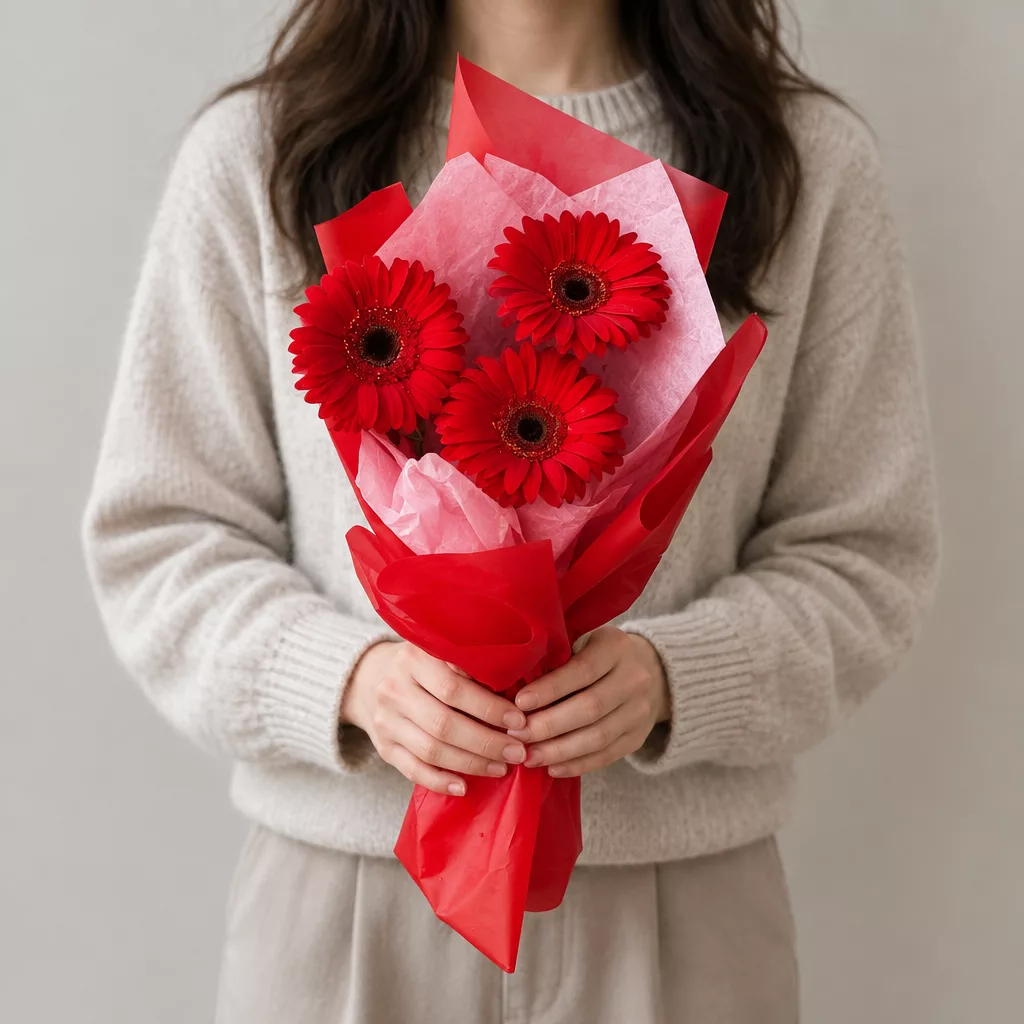
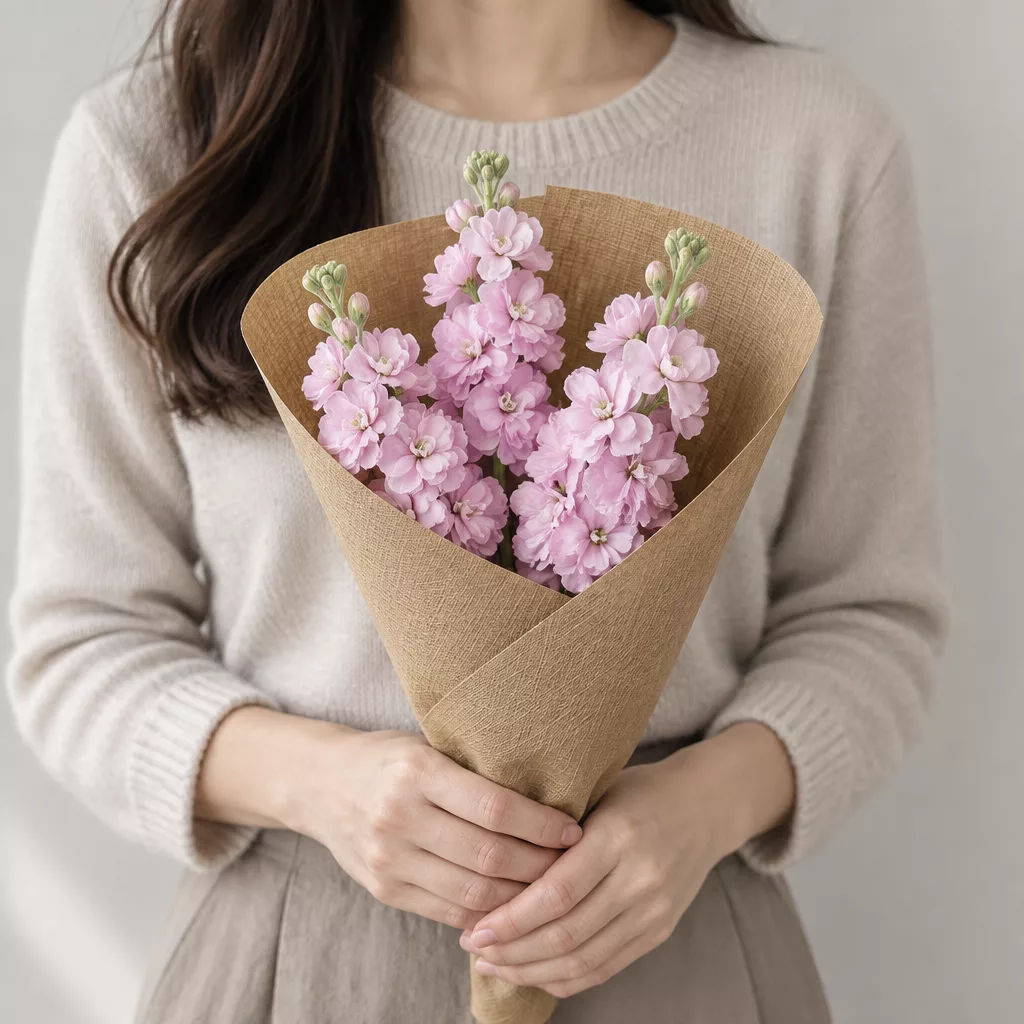
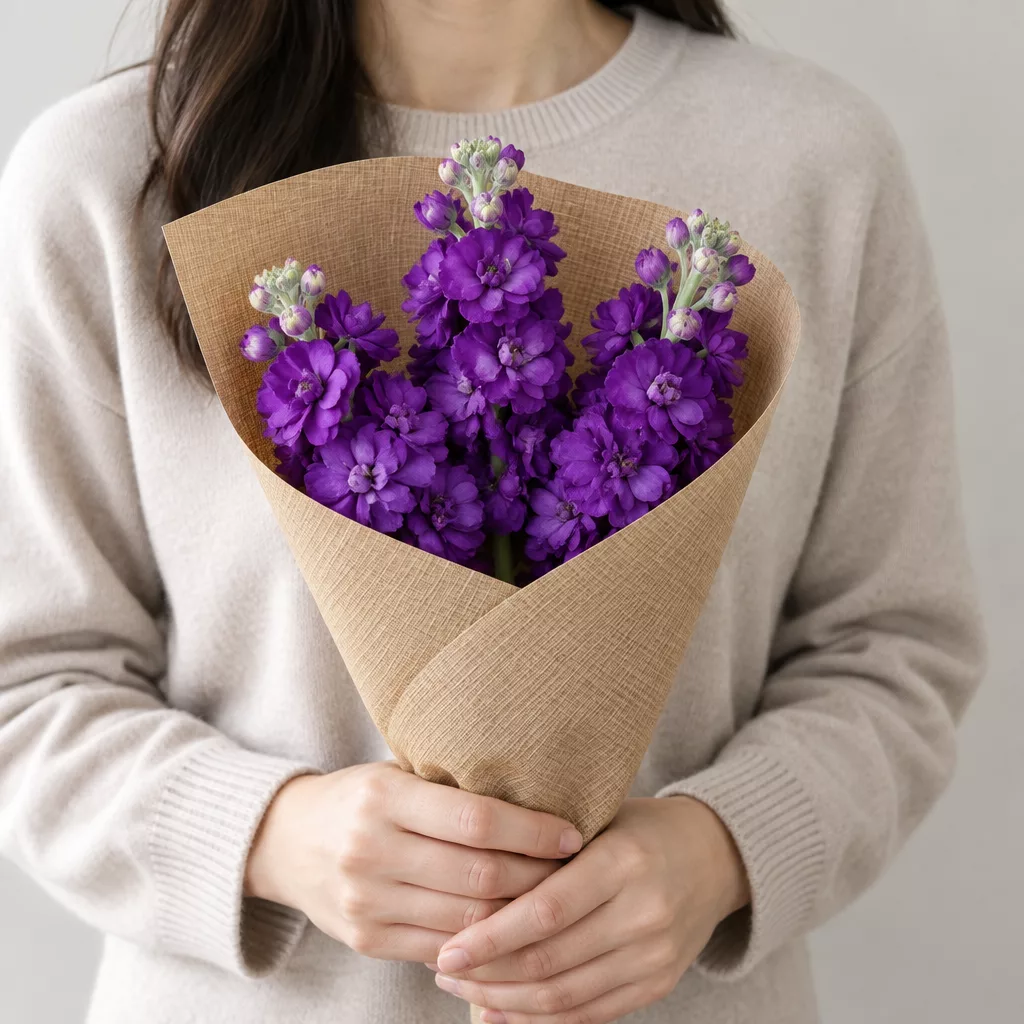
Bouquets we can deliver

Occasions Where White Flowers Are a Celebrated Choice
Weddings are the clearest example. White flowers at a Russian wedding carry exactly the meaning they carry everywhere else — purity, new beginnings, and a kind of restrained luxury. White garden roses, white lisianthus, and white calla lilies are among the most requested bridal flowers, and brides who want a classic look reach for them instinctively. If you are sending a gift to a bride or a newlywed couple, white is not just acceptable — it is genuinely fitting.
Graduations and academic achievements are another strong context. In Russia, finishing university or defending a thesis is a major life milestone celebrated with flowers, and white arrangements read as refined and respectful of the achievement. White spray roses mixed with eucalyptus or white freesia with green pittosporum strike exactly the right tone — accomplished, not showy.
Romantic occasions work well with white when the relationship is established and the gesture is meant to feel intimate rather than passionate. A single stem of white amaryllis or a small bouquet of white sweet peas communicates tenderness. New Year celebrations, which are the biggest holiday in the Russian calendar, also welcome white flowers because they echo winter aesthetics — white tulips or white hyacinths feel seasonal and intentional in late December and early January.
Contexts Where an All-White Arrangement Can Feel Out of Place
The situations where all-white arrangements create discomfort are specific rather than general. Sending a monochrome white bouquet to an elderly Russian recipient for a birthday, with no other colour present, carries the highest risk of misreading. For this group, the association with solemn occasions is strongest, and a birthday is precisely the moment when that association feels jarring rather than elegant.
Housewarming gifts present a similar tension. In Russian folk tradition, certain beliefs around the home and thresholds have persisted, and a purely white arrangement for a new home can feel like an uncertain choice to someone who holds those traditions. Adding warm cream tones, blush, or even a single stem of a different colour changes the emotional register entirely without abandoning the palette you love.
Corporate gifts sent to older business contacts in more conservative industries — manufacturing, government-adjacent sectors — are another area where caution is sensible. Not because white flowers are offensive, but because the gesture may simply not land with the warmth you intend. In those cases, mixing white with champagne-toned blooms like cream ranunculus or ivory spray roses, and adding texture through greenery, makes the arrangement feel deliberate and generous rather than stark.
The mistake most senders make is treating white as a single, unified signal. It is not. Context, recipient age, occasion, and presentation all shift the meaning considerably.
Choosing White Flowers by Budget and Occasion
For a modest, heartfelt gesture — a thank-you, a small congratulation, a spontaneous romantic thought — white freesia is one of the best choices available. It is fragrant, delicate, and lasts well, typically seven to ten days in a cool room. A small bunch tied simply with ribbon communicates care without trying too hard. White lisianthus is a close alternative with a longer vase life and a texture that photographs beautifully, which matters when the recipient will share the moment on social media.
For a mid-range arrangement at a graduation or wedding celebration, white garden roses paired with white ranunculus create a layered, full look that feels genuinely luxurious. Both flowers have a short opening window — ranunculus in particular opens quickly in a warm room — so this combination works best when delivered and displayed the same day. Keep the room temperature below twenty degrees Celsius to extend the display.
At the upper end, white peonies in season — late May through June in Russia — are the most requested premium white flower, and for good reason. Their scent, scale, and presence make them unforgettable. Outside peony season, white garden roses in a large-headed variety like Avalanche or White O'Hara deliver a comparable sense of abundance. For winter occasions, white amaryllis stems are dramatic and long-lasting, often holding for two full weeks when the stem base is kept in fresh water and cut every few days.
Combinations That Make White Arrangements Feel Warm and Welcoming
The simplest way to shift a white arrangement from potentially ambiguous to unambiguously celebratory is to introduce warmth through colour neighbours rather than contrasting tones. Cream, blush, and the palest champagne sit close enough to white that the overall impression remains light and refined, but the arrangement loses any austerity that might unsettle a traditional recipient.
White roses with blush spray roses and a handful of white waxflower create this effect beautifully. The waxflower adds texture and a gentle honey scent, and the combination reads as thoughtful rather than assembled. For spring, white tulips mixed with pale lilac muscari achieve something similar — the touch of lilac warms the palette while keeping the arrangement light and seasonal.
Greenery is underestimated in this context. Eucalyptus, ruscus, or Italian pittosporum added generously to a white arrangement immediately communicates life and abundance. An all-white arrangement without greenery can feel sparse or clinical, especially in a small volume. Adding foliage increases visual density, fills the arrangement with movement, and frames the flowers in a way that makes the white blooms look intentional rather than minimal.
For a recipient who you know appreciates bold gestures, white flowers with dark foliage — like the deep burgundy of copper beech leaves when available — create a dramatic contrast that is unmistakably celebratory. This combination works especially well for milestone birthdays and significant professional achievements, where the arrangement needs to feel like a statement.
Caring for White Flowers After Delivery
White flowers show their age faster than coloured ones, simply because any browning or petal damage is immediately visible against the pale surface. This means care instructions matter more with white arrangements than with, say, a vivid red bouquet where minor imperfections are less obvious.
The first step after receiving white flowers is to cut the stems at a diagonal under running water and place them immediately in a clean vase. Residue from a dirty vase will cloud the water and accelerate bacterial growth, which shortens vase life noticeably. Change the water every two days and re-cut the stems each time. This alone can add three to four days to the display.
Temperature is the other critical factor. White roses and white lisianthus both last significantly longer in a cool environment — ideally between fifteen and eighteen degrees Celsius. Placing them near a radiator, a television, or in direct sunlight will cause petals to brown at the edges within two days. A north-facing windowsill or a cool hallway is a far better location than a warm living room, even if the light is better there.
White peonies and white ranunculus open very quickly in warmth, which is beautiful to watch but shortens the display. If you want to extend the show, keep them in a cooler spot during the day and only bring them into a warm room for occasions when guests are present. At night, moving them back to a cool space can add a day or two to the overall vase life.
Reading Your Recipient Before You Choose
All of the guidance above is secondary to the single most important step: thinking carefully about the specific person who will receive these flowers. Age, background, city, and personal style all shape how a white arrangement will land, and a few moments of genuine reflection will serve you better than any general rule.
If the recipient is under forty, lives in a large Russian city, and has a personal aesthetic that includes neutral tones, Scandinavian interiors, or European fashion sensibilities, white flowers will almost certainly delight them. They are likely to see white as a sophisticated, considered choice rather than a loaded one. You can send an all-white arrangement with confidence.
If the recipient is older, more traditional, or if you genuinely do not know their background well, the safest and most beautiful solution is to use white as the dominant tone rather than the exclusive one. A predominantly white bouquet with touches of soft pink, cream, or pale yellow reads as elegant and warm to every audience. It requires no cultural knowledge to interpret, and it is honestly a more interesting arrangement to look at.
When in doubt, a conversation with a florist who knows Russian customs will resolve the uncertainty quickly. The goal is never to avoid white — it is to use it in a way that the recipient experiences as a gift rather than a puzzle. White flowers, chosen with care and presented well, are among the most beautiful gestures available to you.
White flowers in Russia are not a forbidden colour — they are a contextual one. The same white peony that makes a bride's bouquet unforgettable can feel like a misstep at a traditional grandmother's birthday if it arrives without any warmth alongside it. Understanding the recipient, the occasion, and the presentation transforms white from a risk into one of the most refined choices in your repertoire. The florists at Turboflora work with white arrangements every day, for weddings, graduations, anniversaries, and spontaneous romantic gestures, and they know how to build combinations that land with exactly the feeling you intend — delivered fresh across Russia within one to two hours of your order. We deliver bouquets across Russia in 1–2 hours.
Frequently asked questions
Are white flowers appropriate for a birthday in Russia?
For younger, urban recipients they are a sophisticated and welcome choice. For older or more traditional recipients, it is safer to mix white with cream, blush, or pale yellow tones. A predominantly white arrangement with a warm accent colour works beautifully for any age group and removes any ambiguity about the gesture.
Which white flowers last the longest in a vase?
White lisianthus and white chrysanthemums typically last ten to fourteen days with proper care — clean water, cool temperatures, and stem re-cutting every two days. White roses last seven to ten days. White ranunculus and white peonies are shorter-lived but more dramatic, usually giving five to seven days of peak display before petals begin to fall.
Can I send white flowers for a Russian wedding gift?
Absolutely. White is the most traditional and celebrated colour for Russian weddings, associated with purity and new beginnings. White garden roses, white calla lilies, and white lisianthus are all excellent choices. A large, generous arrangement in all-white is entirely appropriate and will be received with genuine pleasure by the couple.
What greenery works best with white flower arrangements?
Eucalyptus adds a soft, silvery tone and a pleasant scent that complements white blooms without competing with them. Ruscus provides structure and a deep green that makes white flowers appear brighter by contrast. Italian pittosporum adds fine texture. Any of these, used generously, transforms a simple white bouquet into something that feels full and considered.
Is it true that white flowers are only for solemn occasions in Russia?
No — this is an oversimplification that leads many senders to avoid white unnecessarily. The association exists among older, traditional recipients for specific solemn contexts, but white flowers appear regularly at Russian weddings, graduations, and romantic occasions. Recipient age, personal background, and occasion matter far more than colour alone.
Ready to send flowers?
Pick the city, choose the bouquet, and a local florist takes it from there.
Choose a city →