Why are the cut ends of my bouquet stems turning brown in the vase?
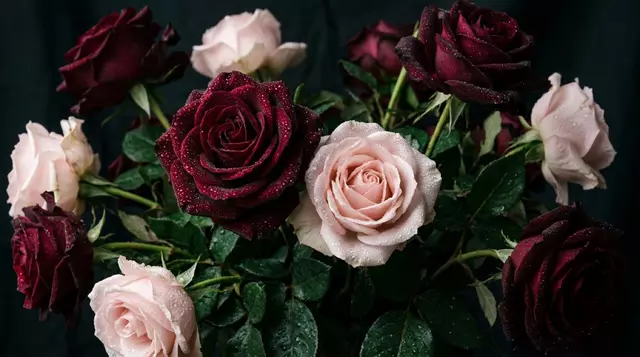
The cut ends of your bouquet stems can turn brown as exposed tissue ages, or because damaged tissue and microorganisms are contributing to decay in the vase. A thin brown surface on an otherwise firm stem is less concerning than a soft, slimy end accompanied by cloudy water or an unpleasant smell. Check the texture, water and flower heads together before deciding what to remove.
Colour alone cannot tell you whether a bouquet is failing. Some stems darken while the flowers remain upright and open normally; others develop soft tissue that needs trimming away. Your first useful step is to take the bouquet out of the vase, inspect the submerged stems and give it fresh water in a clean container. The condition beneath the brown area will help you decide what to do next.
Read the stem texture as well as the colour
Look closely at where the brown colour begins and ends. Is it confined to the flat cut surface, or does it extend up the sides of the stem? Gently feel the affected area without squeezing it hard. Firm tissue with a discoloured surface calls for a different response from a collapsing, slippery section that comes away when you touch it.
Next, check the vase. Cloudiness, floating fragments and an unpleasant smell suggest that the water and container need attention, even if several flower heads still look fresh. Clear water does not prove that the stems are in good condition, so inspect them individually. One deteriorating stem can be easy to miss in the centre of a dense bouquet.
Finally, look above the waterline. Upright heads and firm leaves are reassuring, although they do not guarantee how long a flower will last. Limp foliage or a drooping head can have several causes, including poor water uptake and normal ageing. Use these signs alongside the stem inspection; a brown cut end on its own is not a reason to discard every flower.
Why the submerged ends start to deteriorate
A cut stem has exposed tissue at its base, and its appearance can change as that surface ages. Bruising or a ragged cut can leave an uneven, damaged end that deteriorates more readily. This is why a freshly trimmed stem may look cleaner than the old cut without the change proving that the entire flower was rotten or beyond recovery.
Vase water also collects material from the bouquet: small leaf pieces, ageing plant tissue and anything left in the container from its previous use. Microorganisms can multiply in this water and contribute to stem decay and reduced water uptake. Topping up a dirty vase adds water, but it leaves the accumulated debris and deteriorating tissue in place.
Leaves trapped below the waterline are another avoidable source of decay. They may be hidden by wrapping, crossed stems or the narrow neck of a vase, so check after arranging the bouquet as well as before. Remove submerged foliage carefully while retaining healthy leaves above the water. Avoid scraping or stripping the stem surface unnecessarily.
Bouquets we can deliver




Clean the vase and recut into sound tissue
Lift the flowers out and empty the old water completely. Wash the vase with washing-up liquid, paying attention to the base, corners and any residue at the previous waterline, then rinse thoroughly. A narrow vase that you cannot clean properly is worth changing for a more accessible container. Put fresh water in the clean vase before preparing the stems.
Use clean, sharp secateurs or a flower-cutting tool suited to the stem thickness. Remove the discoloured end with a clean cut, then inspect the newly exposed tissue. If the base remains soft or visibly deteriorated, trim farther up in small stages until you reach a firm section. There is no single trimming length that suits every damaged stem.
Return each prepared stem promptly to the water, keeping its cut end submerged and its leaves clear of the water. Do not hammer, crush or split the base as a general rescue method; this adds damage without establishing why the flower is struggling. For more detail on tools and technique, see how to cut flower stems for longer vase life.
Keep the fresh water useful to the bouquet
Check the water level every day, especially in a crowded vase where it is difficult to see. Several stems can use enough water to leave shorter ones above the surface. Add water as needed, but replace it and clean the vase when you notice cloudiness, residue or a smell. Fresh-looking flower heads are not a reason to leave visibly dirty water unchanged.
If your bouquet includes a commercial flower-food sachet, follow its instructions for the volume of water you are using. Guessing the concentration or adding another full sachet to a partly filled vase can produce the wrong mixture. If no suitable flower food is available, use clean water and attentive vase hygiene instead of improvising with sugar, coins or household cleaning products.
Place the bouquet away from direct sun, radiators and hot appliances, and keep it clear of ripening fruit. These choices help avoid conditions that can shorten its display life, but they cannot restore tissue that has already decayed. Choose a stable position where you can reach the vase for checks; our guide to where to put a bouquet explains the practical considerations.
Decide which flowers to keep and which to remove
Keep a stem if you can trim back to firm tissue and the remaining length still allows the cut end to sit securely in water. A shorter flower can go into a smaller vase rather than being forced back into the original arrangement. This is particularly useful when only a few stems need substantial trimming and the rest of the bouquet remains in good condition.
Remove a stem when its base keeps collapsing, the softness extends too far up to leave a usable length, or it continues to shed deteriorating material into the water. You do not need to wait for its flower head to fall apart. Take out fallen petals and loose leaves at the same time, and check neighbouring stems for damage hidden where they touch.
After cleaning and recutting, watch the remaining flowers for changes in firmness and posture. Some may improve if poor water uptake was part of the problem; ageing or badly damaged flowers may not recover. Avoid repeatedly cutting an otherwise firm stem simply because its surface darkens again. Further trimming is most useful when inspection reveals damaged tissue or a problem with the cut.
Send flowers to Russia with clear delivery details
If you are arranging a gift from abroad, browse the bouquets catalogue and choose a delivery plan that fits the recipient's availability. Turboflora delivers flowers across Russia. City delivery costs 500 RUB; for remote districts and suburbs, the operator confirms the price when confirming the order. You can pre-order delivery 1–30 days ahead.
In large cities, express delivery is available 1–2 hours after the order is confirmed. Other options include an exact time with a tolerance of ±30 minutes, or the windows 09–12, 12–15, 15–18 and 18–21. Contact a manager on WhatsApp for help choosing a bouquet, agreeing the time, address and card text, or arranging a photo of the bouquet before delivery.
Delivery is anonymous by default: the courier does not name the sender, so include your name in the free card text if you want the recipient to know who sent it. The courier calls about 15 minutes before arrival. Online checkout uses CloudPayments; check the options displayed there for your payment method. The delivery and payment page is a useful reference when arranging the gift.
Frequently asked questions
Are brown stem ends always a sign of rot?
No. A firm stem can develop a brown cut surface as the exposed tissue ages; softness, slime, an unpleasant smell or deterioration extending up the stem are more concerning.
Should I change the water or recut the stems first?
Empty and clean the vase, then prepare fresh water before recutting the stems. This lets you return the freshly cut ends promptly to a clean container.
How much of a brown flower stem should I cut off?
Trim away the affected end and inspect the tissue underneath, continuing in small stages if it remains soft or deteriorated. Keep enough sound stem for the cut end to stay submerged in a suitable vase.
Can flowers recover after their stem ends turn brown?
They may improve if cleaning the vase and removing damaged tissue helps them take up water. Recovery depends on the condition of each flower, and recutting cannot reverse normal ageing or extensive decay.
Should I throw away the whole bouquet if one stem is slimy?
Remove the affected stem, inspect the others and clean the vase before adding fresh water. Keep flowers with sound stems and usable cut ends, checking them daily for further deterioration.
Ready to send flowers?
Pick the city, choose the bouquet, and a local florist takes it from there.
Choose a city →