Will These Roses Be Fresh When They Arrive?
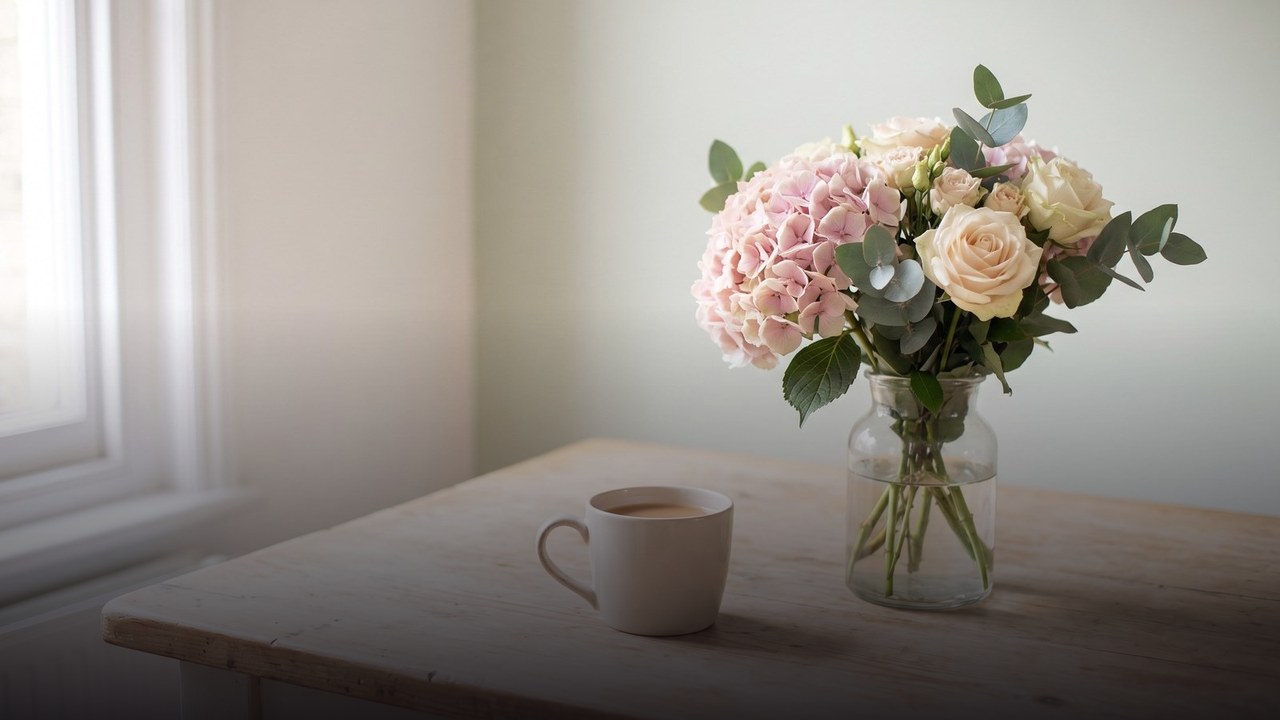
Roses can arrive fresh, but you cannot confirm the condition of a particular bouquet from a catalogue picture alone. To assess yours, ask for a photo before delivery, arrange a time when the recipient can receive it, and check the flowers when they arrive.
If you are sending roses to someone in Russia from abroad, focus on what you can verify: the bouquet’s visible condition, the delivery arrangements and what happens after handover. A slightly open rose is not automatically old, and a tightly closed bud is not proof of freshness. The useful clues are the condition of the petals, stems and leaves, considered together.
What fresh roses should look like on arrival
Look at the flower heads first. Petals should generally hold their shape, without widespread browning, translucent patches or a soft, collapsing appearance. Some roses naturally open wider than others, so judge the condition of the petals rather than treating every open bloom as a warning. A bouquet can contain flowers at slightly different stages of opening.
Next, look along the stems and at the leaves. Leaves should not be extensively yellow, brittle or limp. Pay particular attention to the stem just beneath each flower head: a pronounced bend there can indicate difficulty taking up enough water. One tired outer petal tells you less than several drooping heads accompanied by limp foliage.
The outermost petals may look rougher or greener than those inside; these protective petals are often called guard petals. Their appearance alone does not establish that a rose is old. Check whether the inner petals and the whole flower remain sound. For a fuller arrival checklist, read how to recognise fresh cut flowers.
What a photo before delivery can tell you
You can contact a Turboflora manager on WhatsApp to arrange a photo of the bouquet before delivery. Use it to inspect the overall shape, visible flower heads and obvious damage. It is especially useful when you are abroad and cannot see the flowers yourself before they reach a relative, friend or colleague in Russia.
A photo has limits: it cannot show how firm every stem feels, reveal every hidden petal or predict exactly how long the flowers will last in the recipient’s home. If something looks concerning, describe it precisely, such as several heads bending below the bloom or broad brown patches across the petals. A specific observation is easier to discuss than a general impression.
If the recipient reports a problem after arrival, ask them to photograph the whole bouquet and the affected flowers in clear light, ideally before removing petals or rearranging it. Share those images with the manager and explain what you noticed. This provides a useful basis for discussing the condition; the photographs alone do not establish when or why a problem developed.
Bouquets we can deliver




Choose a delivery time that helps the recipient
A useful delivery time is one when someone can receive the roses and put them in water promptly. Before ordering, check the recipient’s likely schedule and the destination’s local time, especially if you live in another country. A surprise can still work well when you know whether the person will be at home, at work or travelling between the two.
Turboflora delivers flowers across Russia. Express delivery in large cities is available within 1–2 hours after the order is confirmed. You can also arrange delivery at an exact time with a tolerance of plus or minus 30 minutes, choose a window of 09–12, 12–15, 15–18 or 18–21, or pre-order 1–30 days ahead. Choose the option that fits the recipient’s availability.
The courier calls the recipient about 15 minutes before arrival. If the recipient is absent, we agree a second delivery that day or handover to a neighbour or concierge with the sender’s consent. If you expect access difficulties, agree the details when confirming the order. The delivery and payment information is a useful reference while planning.
The first steps after the roses reach the door
Prepare a clean vase before arranging the bouquet. Wash away any residue, rinse thoroughly and add fresh water. Remove any leaves that would sit below the waterline: submerged foliage breaks down and makes the water dirty more quickly. Loosen or remove wrapping as needed so you can inspect the stems and place them properly in the vase.
Using a clean, sharp tool, cut a small amount from each stem at an angle, then put the roses into water promptly. Avoid crushing the stem ends with blunt scissors. If flower food is supplied, follow its instructions and dilution rather than adding an arbitrary amount. A clean vase and regular attention to the water are more useful than improvised household mixtures.
Set the vase away from radiators, direct sunlight and ripening fruit. Check the water level daily, since stems can drink enough to leave the cut ends exposed. Replace cloudy water and clean the vase when needed. For the routine after the first day, see our guide to keeping cut flowers fresh.
How to interpret drooping, opening and damaged petals
A rose opening after delivery is not, by itself, a sign that something is wrong. Cut flowers continue to change, and the shape of a bloom affects how open it appears. Watch for a combination of changes instead: petals losing structure, several heads drooping or leaves becoming limp. Avoid judging the whole bouquet by one flower that opens faster than its neighbours.
A bent neck is the droop immediately below the flower head. If you notice it, check that the stem end is in water, clean the vase if necessary and recut the stem with a sharp tool before returning it to fresh water. These steps may help a rose that is struggling to take up water, but they cannot reverse decay or guarantee that every affected flower will recover.
Remove clearly deteriorating leaves or petals carefully, without stripping healthy layers from the bloom. If several roses look badly affected on arrival, document their condition and contact the manager instead of repeatedly trying different treatments. Do not assume that heavy petal removal or an elaborate soaking method will restore damaged tissue.
Order roses to Russia with clear expectations
When choosing roses, think about the recipient’s preferences and where the bouquet will go. If they love fully opening flowers, do not make tightly closed buds your only selection criterion. If you are unsure what would suit the occasion, ask the manager for help choosing a bouquet and explain the relationship and message you want the flowers to convey.
Agree the address, delivery time and card text with the manager. City delivery costs 500 RUB; for remote districts and suburbs, the operator confirms the price when confirming the order. Delivery is anonymous by default, so the courier does not name the sender. A card with your text is free: include your name there if you want the recipient to know who sent the roses.
Online checkout uses CloudPayments. If you are paying from abroad, check the options displayed at checkout; acceptance of every foreign card cannot be guaranteed. Before completing the order, review the recipient’s details and agreed timing. Those practical checks help you coordinate the gift, while a photo before delivery and sensible care on arrival help you assess and support the flowers’ condition.
Frequently asked questions
Can you guarantee that my roses will arrive fresh?
We cannot give an unconditional freshness guarantee from a catalogue image. You can ask the manager for a photo before delivery and assess the petals, stems and leaves when the bouquet arrives.
Are roses with tightly closed buds always fresher?
No. Bud opening varies between roses, so look at the overall condition rather than openness alone. Sound petals, supported flower heads and healthy-looking foliage are more useful clues together.
Can I see the bouquet before it is delivered?
Yes, contact the manager to arrange a photo of the bouquet before delivery. It helps you check its visible appearance, although it cannot predict a precise vase life.
What happens if the recipient is not there?
We agree a second delivery the same day or handover to a neighbour or concierge with the sender’s consent. The courier calls the recipient about 15 minutes before arrival.
How many days will the roses last?
There is no single reliable number for every bouquet. The flowers’ condition and care after arrival matter, so use a clean vase, keep the stems in fresh water and place the roses away from heat and direct sun.
Ready to send flowers?
Pick the city, choose the bouquet, and a local florist takes it from there.
Choose a city →