How to Check Bouvardia in a Bouquet for Damage
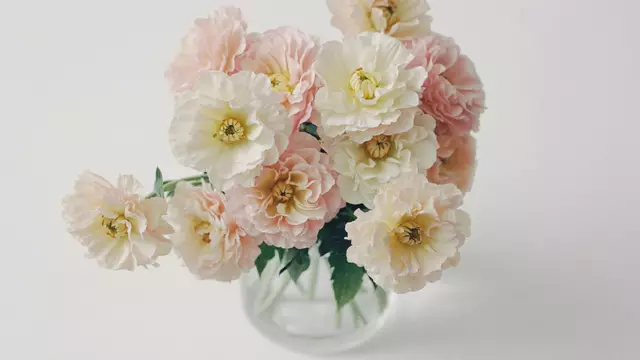
Check bouvardia for crushed or browning petals, snapped flower stems, limp clusters and soft, decaying tissue. Firm, closed buds alone do not indicate damage; look at their condition alongside the open flowers, leaves and stems.
Bouvardia carries small, tubular flowers in clusters, so inspect each cluster from several angles. A bouquet can look intact from the front while wrapping conceals a bent side branch.
Distinguish bruising, dehydration and decay
Bruising usually appears as flattened, translucent or discoloured patches where petals have been pressed. Check for creased tubes, crushed flower centres and clusters trapped against the wrapping. Torn tissue or a sharply kinked stem indicates physical damage.
Dehydration can make flowers and leaves hang loosely while the tissue remains intact. This may improve after proper hydration, but recovery is uncertain. Soft, slimy tissue, spreading brown patches or an unpleasant smell suggest decay and need a different response: remove affected material rather than leaving it in the arrangement.
Inspect the bouquet without causing more damage
Photograph the bouquet as received if you notice a problem. Then loosen the outer packaging carefully, supporting the stems instead of pulling on the flower heads. Our guide to unpacking a bouquet without damaging it explains the handling steps.
Look beneath the clusters for split or dangling branches. Check leaves for extensive yellowing, collapse or soft patches, and inspect the lower stems for slime. One marked flower does not establish the condition of the whole bouquet; assess how widespread the problem is and whether stems are still supporting their clusters.
Bouquets we can deliver




What to do after checking
For intact but drooping stems, use a clean vase and fresh water, remove leaves that would sit below the waterline, and recut the stem ends with a clean, sharp tool. Add cut-flower food according to its instructions if available. Keep the bouquet away from direct sunlight, heaters and ripening fruit.
Remove individual crushed flowers carefully. A snapped branch will not rejoin, and decayed tissue will not recover with water. If several clusters arrived damaged, keep clear photographs of both the affected areas and the complete bouquet, then describe what you found when contacting the shop. See what to do when a bouquet arrives damaged.
Checking a bouquet you are sending to Russia
If you are ordering from abroad, contact a manager on WhatsApp to help choose a bouquet, agree delivery details and request a photo before delivery. A photograph helps you assess the visible arrangement, though it cannot show firmness, scent or every concealed stem.
We deliver flowers across Russia. City delivery costs 500 RUB; the operator confirms the price for remote districts and suburbs when confirming the order. Check our delivery information; confirm the timing for your order.
Frequently asked questions
Are unopened bouvardia buds a sign of poor condition?
No. Firm buds without browning or shrivelling are not, by themselves, evidence of damage. Do not assume every bud will open; judge the bouquet by the condition of its flowers, leaves and stems together.
Can brown bouvardia petals turn fresh again?
Brown or bruised petal tissue will not return to its original condition. Hydration may help intact flowers that are drooping, but it cannot repair crushed petals or broken stems.
Ready to send flowers?
Pick the city, choose the bouquet, and a local florist takes it from there.
Choose a city →