Sending Flowers to Russia? Your English Instructions Will Be Understood
You have chosen the bouquet, set the delivery window, and now you are staring at the notes field wondering whether to type in English or attempt a Google-translated sentence in Russian. It is a fair concern — you want the courier to ring a specific intercom code, leave the flowers with a neighbour, or keep the roses away from a cold stairwell. The good news is that Turboflora handles international orders regularly, and the team is prepared for English-language instructions. This article explains exactly how that works, what level of detail is safe to include, and how to phrase requests so nothing gets lost between your screen and someone's front door in Saint Petersburg or across Russia.
Why English Instructions Are Accepted and How They Reach the Courier
When an order comes in with English notes, the Turboflora team reads and processes those notes before the bouquet ever leaves the workshop. A coordinator reviews every special request and, where necessary, translates the key action points into Russian for the courier. This is not a rough machine translation passed along unchecked — it is a human step that filters out ambiguity before the delivery vehicle pulls away.
The courier receives a printed or digital delivery sheet that already contains the interpreted instructions in plain Russian. So even if the courier speaks no English at all, the relevant details — buzz apartment 47 on the second panel, call five minutes before arrival, do not leave in the lobby — are already in a language they can act on immediately.
This process works best when your English instructions are clear and specific rather than conversational. A note that reads 'please be discreet, it is a surprise' is easy to interpret. A note that reads 'you know how it is with these old buildings, the lift is sometimes out' gives the coordinator context but no clear action to pass on. Think of your note as a short checklist rather than a story. The more concrete the instruction, the more faithfully it travels through the chain from your keyboard to the recipient's door. Turboflora's delivery radius covers Saint Petersburg in full and extends to cities across Russia, so this same process applies whether the address is a central apartment or a suburban office park.
Bouquets we can deliver

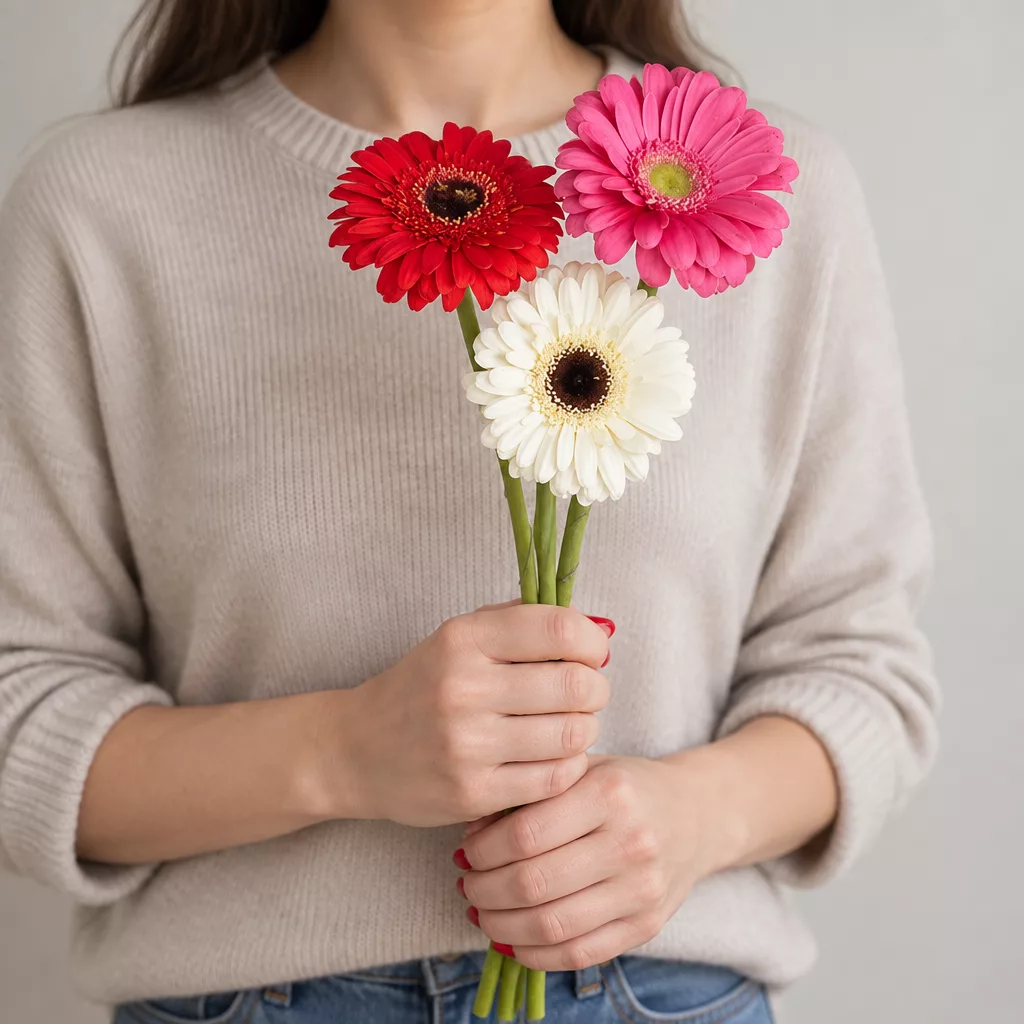

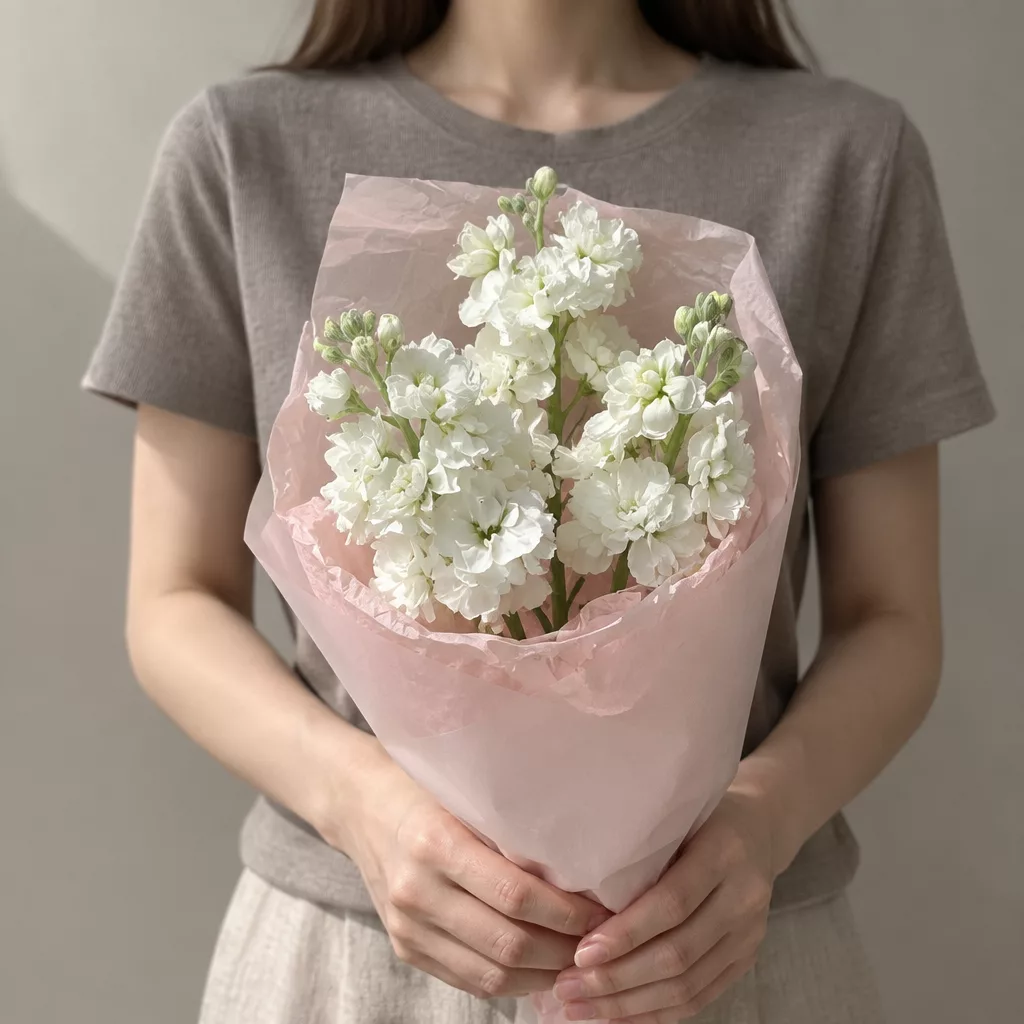
What Kinds of Instructions Actually Make a Difference at the Door
Not every note changes what the courier does, but some details genuinely shape the outcome of a delivery. The most useful instructions fall into a few clear categories: access information, timing preferences, recipient contact, and handling conditions for the flowers themselves.
Access information is the most critical. Russian apartment buildings often have two separate entry panels — one at the street gate and one at the building door — each requiring a different code. If you know those codes, include both. Write them in digits, not words, and label them clearly: 'gate code 1234, building door code 5678.' If there is a concierge or security desk, mention it so the courier knows to check in rather than buzz directly.
Timing preferences matter especially for surprise deliveries. If the recipient finishes work at six and you want the flowers to arrive after that, say so plainly. Turboflora offers same-day delivery windows, and a note like 'please deliver after 18:30, recipient is at work before then' is easy to schedule around.
Handling conditions are worth mentioning for delicate arrangements. Garden roses, ranunculus, and sweet peas are more sensitive to cold than, say, chrysanthemums or alstroemeria. If the delivery is in winter and the recipient lives in a building where the entrance hall drops below freezing, a note asking the courier to keep the bouquet inside the vehicle until the door opens is a reasonable and actionable request. Couriers already take care with arrangements, but a specific prompt reinforces it.
Phrases That Translate Cleanly and Ones That Cause Confusion
Some English phrases translate into a single clear Russian action word. Others carry cultural assumptions or idiomatic weight that does not cross over neatly. Knowing the difference saves you from a request that gets interpreted too loosely.
Phrases that work well: 'ring the bell twice,' 'call recipient before arriving,' 'leave with the neighbour in apartment 12 if no answer,' 'do not leave unattended,' 'hand to recipient only.' These are direct, physical instructions with one obvious meaning. They translate cleanly and the courier can follow them without interpretation.
Phrases that cause confusion: 'make it feel special,' 'be friendly and warm,' 'she will probably be shy about it.' These are emotional directions rather than actions. The courier is focused on logistics, and while Turboflora's team is warm by nature, asking for a specific interpersonal tone is not something a delivery note can reliably guarantee. If presentation matters to you, focus instead on what the bouquet looks like — the arrangement is already prepared in the workshop — rather than how the courier should behave.
Avoid long backstory in the notes field. A sentence explaining that the recipient recently moved and might not have updated the buzzer code is useful. Three sentences about the history of the relationship and why this bouquet is meaningful belong in the gift card, not the delivery instructions. The notes field is read quickly by someone preparing a route — brevity is kindness. If you have a complex request, the Turboflora team can be reached directly and will work through it with you before the order is dispatched.
Writing the Recipient's Name and Address When You Are Unsure of Russian Format
Addresses in Russia follow a different order than in most English-speaking countries, and getting this right matters more than almost anything else in the order form. The standard Russian format moves from large to small: city, then street, then building number, then apartment number. If you write the address in English order — apartment first, then street — it can create confusion when the coordinator maps the route.
The safest approach is to enter the address exactly as the recipient gave it to you, even if it looks unusual. If they sent it in Russian characters, copy and paste it rather than transliterating it yourself. Transliteration errors, especially with street names that contain the letters ш, щ, ж, or ч, can produce results that do not match any known address in the mapping system.
For the recipient's name, use whatever spelling they use themselves. If their name is Александра and they go by Alexandra in English correspondence, either version is fine — the courier will confirm by phone if there is any doubt. Do include a phone number for the recipient whenever possible. In Russia, couriers routinely call ahead to confirm arrival time, and this is not considered intrusive — it is standard practice and actually makes the delivery smoother.
If you are sending to an office building rather than a residential address, note the company name and floor number in addition to the street address. Many large office buildings in Saint Petersburg and other cities have reception desks that handle deliveries, and the courier will need to know who to ask for. A note like 'office building, ask for Irina at reception, 3rd floor' is exactly the level of detail that helps.
Surprise Deliveries and How to Keep the Secret Intact
A surprise delivery introduces one specific complication: the courier needs to reach the recipient without the recipient knowing why someone is at the door until the flowers are in their hands. In a city like Saint Petersburg, where many apartment buildings require a phone call to open the gate or building door, this can feel like a contradiction. The courier must call to get in, but calling reveals that a delivery is coming.
There are practical ways around this. If you know someone else at the address — a flatmate, a family member, a colleague — you can ask the courier to coordinate with that person instead. Include their name and number in the instructions: 'surprise delivery, please call Mikhail on this number to open the gate, do not call the recipient directly.' This is a common request and the team handles it smoothly.
Alternatively, if you can be available by phone during the delivery window, you can note that the courier should call you for access information rather than calling the recipient. This keeps you in the loop and preserves the surprise.
For office deliveries, a surprise is easier to manage because the reception desk can accept the flowers and arrange for them to be brought to the recipient's desk. Note this in your instructions: 'please leave with reception and ask them to deliver to the desk without announcing it is from me.' Receptionists in Russian offices are generally cooperative with this kind of request.
The gift card is separate from the delivery instructions and is sealed before dispatch, so the recipient will not see who it is from until they open it themselves. If you want the card to remain a mystery, you can leave the sender name blank and just write a message.
How Temperature and Timing Affect Your Instructions in Different Seasons
Russia's climate means that flower delivery faces genuinely different challenges in January than it does in July, and your instructions can reflect that awareness. In winter, temperatures in Saint Petersburg regularly drop below minus ten degrees Celsius. Flowers left in an unheated entrance hall or handed over in an open doorway for more than a minute or two will feel the difference. Tulips and anemones are particularly sensitive and will show cold damage within minutes of exposure to freezing air.
If you are ordering in winter, a note asking the courier to minimise the time the bouquet spends in the cold during handover is reasonable and will be understood. Turboflora's vehicles are climate-controlled, so the flowers travel well — the risk is in the final moments at the door. Asking the recipient to open the door quickly, or asking the courier to call ahead so the door is ready, makes a real difference for delicate varieties.
In summer, heat is the concern. Hydrangeas and garden roses wilt faster than most people expect when left in a warm car or a sunny entrance. If you are ordering for a long day when the recipient might not be home until evening, consider specifying a delivery time close to when they will actually be there to receive the bouquet and get it into water.
Spring and autumn in Saint Petersburg bring rain and wind, which matters more for presentation than for the flowers themselves. A note asking the courier to protect the wrapping during wet weather is not excessive — it shows you have thought about how the bouquet will look when it arrives, which is part of what makes a flower gift feel considered rather than routine.
After the Delivery: What to Tell the Recipient About Care
The gift card is the right place to include a brief care note if the recipient is not experienced with fresh flowers. You can write this in English and Turboflora will print it as given — the card is for the recipient, not for the courier, so there is no translation step involved. A few sentences about water and light can extend the life of the arrangement significantly.
For a bouquet of roses, the basics are: trim the stems at an angle under running water, change the vase water every two days, keep the flowers away from direct sunlight and radiators, and remove any leaves that sit below the waterline. Roses in good condition last seven to ten days with this care. If the bouquet includes peonies, they last better in cool rooms and benefit from being moved away from heat sources overnight.
For mixed bouquets that include both short-lived and longer-lived varieties, it helps to mention which flowers will fade first. Sweet peas and anemones typically last four to five days; alstroemeria and chrysanthemums can go two weeks. Knowing this, the recipient can remove the faded stems and keep the arrangement looking fresh rather than discarding the whole bouquet when one variety turns.
If the bouquet arrives in a box rather than a vase, remind the recipient to unwrap it promptly and get the stems into water within the first hour. Flowers in a sealed box are fine for transport but need air and water once they arrive. This is especially important in summer when warmth accelerates dehydration. A short, friendly note on the card turns the gift into a small lesson in care, and most recipients appreciate the thought.
Writing delivery instructions in English is not a workaround — it is a fully supported part of how Turboflora processes international and English-language orders. The key is to be specific, keep the action points short, and trust that the team will handle the translation step carefully before the bouquet leaves the workshop. Whether you are coordinating a surprise, navigating a tricky apartment building, or simply making sure a winter delivery stays warm in the final handover, a well-written note in plain English is all you need. We deliver bouquets across Russia in 1–2 hours.
Frequently asked questions
Will the courier actually read my English notes or will they be ignored?
The courier receives a prepared delivery sheet in Russian that already contains the key points from your English notes. A coordinator reviews and interprets every instruction before the order goes out, so the courier acts on the content even if they do not read English themselves. Clear, specific notes travel through this process most reliably.
Can I write the recipient's address in English letters rather than Russian characters?
It is better to paste the address in Russian if you have it, because transliteration of Russian street names can produce spellings that do not match the mapping system. If you only have the address in English letters, include it as given and add a note asking the team to confirm the location — they can usually verify it from context and a recipient phone number.
What if my instructions are complex — is there a character limit on the notes field?
The notes field accepts a reasonable amount of text, but very long instructions risk important details being buried. If your request is genuinely complex — multiple access codes, a timed surprise involving several people, specific handling for an unusual arrangement — contact Turboflora directly before placing the order so the team can confirm everything is workable before dispatch.
Can I ask the courier to call me instead of the recipient for a surprise delivery?
Yes, and this is one of the most effective ways to protect a surprise. Include your own phone number in the notes and write clearly that the courier should call you rather than the recipient for access or confirmation. Make sure you are available during the delivery window so the handover does not stall while the courier waits for a response.
Is there anything I should not put in the delivery instructions field?
Avoid emotional context, long backstory, or requests for the courier to behave in a particular interpersonal way — these cannot be reliably passed on. Payment details should never appear in notes. Keep the field for physical, actionable information: codes, timing, contact names, and handling requests. Everything personal belongs in the gift card, which is sealed and goes directly to the recipient.
Ready to send flowers?
Pick the city, choose the bouquet, and a local florist takes it from there.
Choose a city →