Equatorial Roses: What the Name Means and How to Choose Them
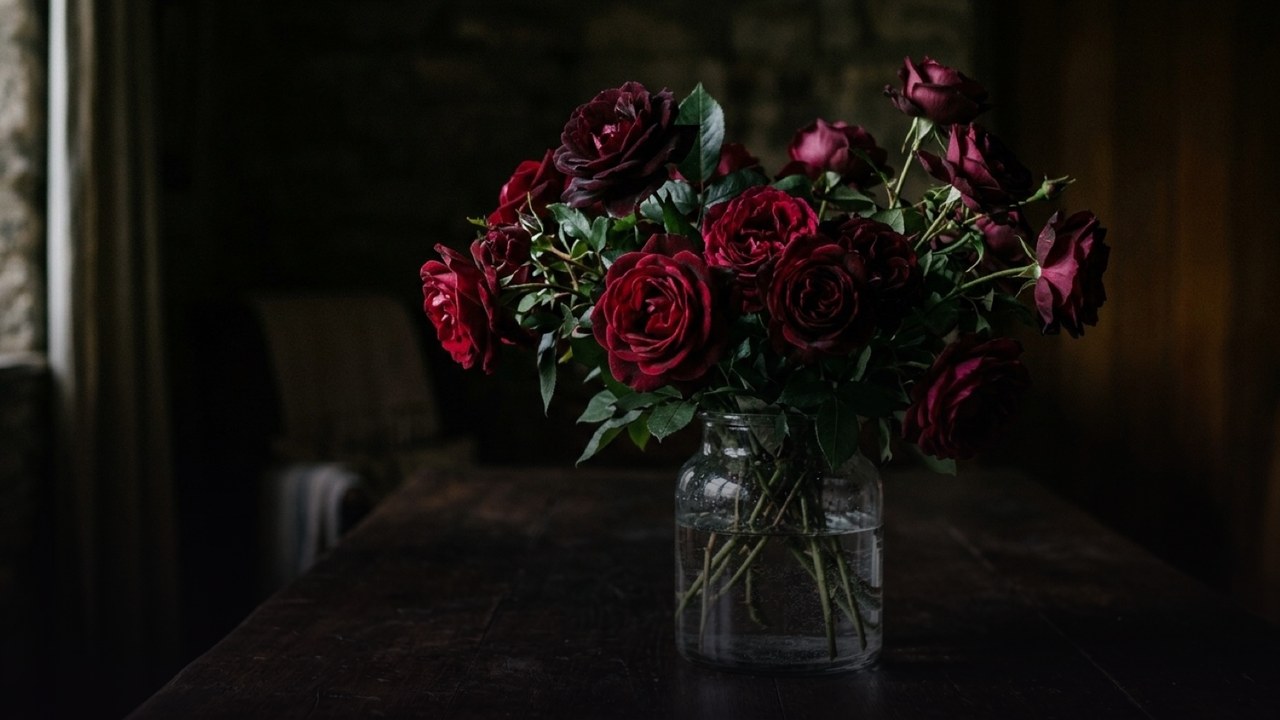
Equatorial roses are roses grown in regions near the equator; the term describes their geographical origin, rather than a separate botanical type. In flower listings, it may refer to Ecuadorian roses, although roses also grow commercially in other equatorial regions, including Kenya. If you specifically want roses from Ecuador, check the stated country of origin rather than relying on the word “equatorial”.
For a gift, origin is only one part of the choice. The variety, condition of the flowers, stage of opening and proportions of the bouquet matter more than a broad geographical label can tell you. Here is how to judge those details, choose roses that suit the recipient and arrange delivery to someone in Russia without making assumptions about the flowers or the journey.
Equatorial and Ecuadorian roses: understand the distinction
Ecuadorian means grown in Ecuador; equatorial has a wider meaning. Neither word identifies a particular rose variety, colour or scent. Two roses from the same country can have very different petal shapes and opening habits. Treat the origin as useful background, then look for a description of the actual flowers you are considering.
Some equatorial growing regions combine strong daylight with high-altitude conditions that support commercial rose cultivation. That does not make every rose from those regions large, long-stemmed or long-lasting. Variety, harvesting, handling and care all affect the finished flower, so a country name alone cannot tell you how a bouquet will perform in a vase.
If origin is essential to your gift, ask for it to be confirmed before choosing. If your real priority is a generous bloom, a particular shade or a bouquet that fits a table, describe that instead. Separating the feature you want from the label helps you make a clearer choice, especially when ordering from abroad and judging flowers through photographs.
Choose by bloom shape, stem length and condition
Start with the setting. Long stems create height, but they also need a suitably tall, stable vase and enough space above it. A shorter arrangement can work better on a dining table or a crowded desk. Do not choose the longest stems automatically: think about where the recipient will put the roses and whether they can comfortably handle a tall bouquet.
Look at the opening stage as well as the apparent size of the head. A tightly closed bud does not prove that a rose is fresher, and an open flower is not automatically past its best. Different varieties open differently. Ask about the expected appearance, particularly if you want an open, rounded look for an occasion rather than a bouquet dominated by narrow buds.
When you inspect roses, look for firm stems, secure flower heads and petals without extensive browning or translucent, wet-looking patches. A few rough outer guard petals can occur naturally and are different from damage spreading through the bloom. Photographs can help you assess shape and colour, but they cannot establish fragrance or guarantee a particular vase life.
Compare the whole silhouette in the bouquets catalogue: the balance between flowers, foliage and wrapping matters as much as an individual bloom. If a particular feature is essential, ask the manager to clarify it. A reference photograph is useful for discussing what you like, but it should not replace a clear description of your priorities.
Bouquets we can deliver




Match the colour and number to the relationship
Red roses commonly carry a romantic message, while pink often suits affection or thanks. White can feel restrained and formal, though its meaning depends on the occasion and the recipient. These are conventions rather than fixed rules. If you know someone's favourite colour, that personal preference is usually a stronger guide than a general flower symbolism chart.
For a friend, relative or colleague, consider how the bouquet and card will read together. A red bouquet with an intimate message feels different from pale roses with a straightforward birthday greeting. Yellow roses can be cheerful, but some Russian recipients associate them with separation. When you are unsure, choose a colour you know they enjoy rather than explaining away an unwanted association.
In Russia, an odd number is the customary choice for a celebratory bouquet when individual stems are being counted; even numbers are traditionally associated with mourning. Mention the occasion when discussing the order. You do not need to encode every feeling in the stem count: a short, specific card message usually communicates your intention more clearly than elaborate numerical symbolism.
Prepare the roses for a vase and keep the water clean
Begin with a clean vase, fresh water and clean, sharp cutting tools. Remove the transport wrapping so you can check the stems, then recut their ends before placing them in water. Strip off leaves that would sit below the waterline, while keeping healthy foliage above it. Submerged leaves decay and make it harder to keep the vase water clean.
If flower food comes with the bouquet, follow its dilution instructions instead of adding an estimated amount. Check the water level daily and refresh the water regularly, cleaning the vase when necessary. Avoid improvised mixtures of sugar, bleach or household products: incorrect quantities can harm flowers, and mixing cleaning chemicals can be dangerous.
Choose a position away from radiators, direct sun and ripening fruit. Give the flower heads room rather than forcing them tightly against a wall or shelf. Remove deteriorating material promptly and reassess the stems if water uptake seems poor. Our guide to rose vase life explains the care routine in more detail; equatorial origin does not remove the need for it.
Plan delivery to Russia around the recipient's day
Turboflora delivers flowers across Russia. City delivery costs 500 RUB; for remote districts and suburbs, the operator confirms the price when confirming the order. Before arranging a surprise, check the recipient's city, full address and likely whereabouts. A beautiful bouquet is easier to receive when its arrival fits the person's working hours, travel or plans for the evening.
In large cities, express delivery is available 1–2 hours after the order is confirmed. You can also arrange an exact time with a tolerance of ±30 minutes, choose a 09–12, 12–15, 15–18 or 18–21 window, or pre-order 1–30 days ahead. Use the recipient's local date and time when discussing the order, especially if you are sending from another time zone.
The courier calls the recipient about 15 minutes before arrival, so allow for that contact when planning a surprise. If the recipient is absent, we agree a second delivery that day or, with the sender's consent, hand the flowers to a neighbour or concierge. Choose a window when the recipient is likely to be available; see delivery and payment for the ordering information.
Make your preferences clear before checkout
Contact a manager on WhatsApp for help choosing a bouquet and agreeing the delivery time, address and card text. Explain whether “equatorial roses” means a specific country of origin to you or simply the style of rose you have in mind. Include any essential colour or size preference, so the discussion starts with the details that determine your choice.
You can also arrange a photo of the bouquet before delivery with the manager. Use it to check the overall appearance against the details discussed, remembering that screens and lighting can alter perceived colour. Delivery is anonymous by default: the courier does not name the sender. A card with your text is free, so include your name there if you want the recipient to know who sent the flowers.
Online checkout uses CloudPayments. Check the payment options displayed at checkout rather than assuming that a particular foreign-issued card will be accepted. Before completing the order, review the recipient's details, agreed timing and card wording. Those practical checks matter especially when you are ordering in English for someone whose address or name needs to be written in Russian.
Frequently asked questions
Are equatorial roses the same as Ecuadorian roses?
Ecuadorian roses come from Ecuador, while equatorial roses is a broader geographical description. If Ecuadorian origin matters to you, ask for the country to be confirmed before ordering.
Do equatorial roses always have larger heads?
No: bloom size depends on the variety and the individual flower, not just its growing region. Judge the described bloom shape, opening stage and bouquet proportions rather than assuming size from the origin.
How long do equatorial roses last in a vase?
The name alone cannot establish a vase life. Variety, condition, handling and home care all matter, so keep the vase clean, remove submerged leaves and check the water daily.
Can I order roses for someone in Russia while I am abroad?
Yes, you can arrange flower delivery across Russia and discuss the recipient's address, timing and card text with a manager. Checkout uses CloudPayments; check the displayed options for your payment method.
Will the recipient be told who sent the bouquet?
Delivery is anonymous by default, and the courier does not name the sender. If you want to identify yourself, put your name in the free card text.
Ready to send flowers?
Pick the city, choose the bouquet, and a local florist takes it from there.
Choose a city →