Eustoma russellianum: understanding and caring for lisianthus
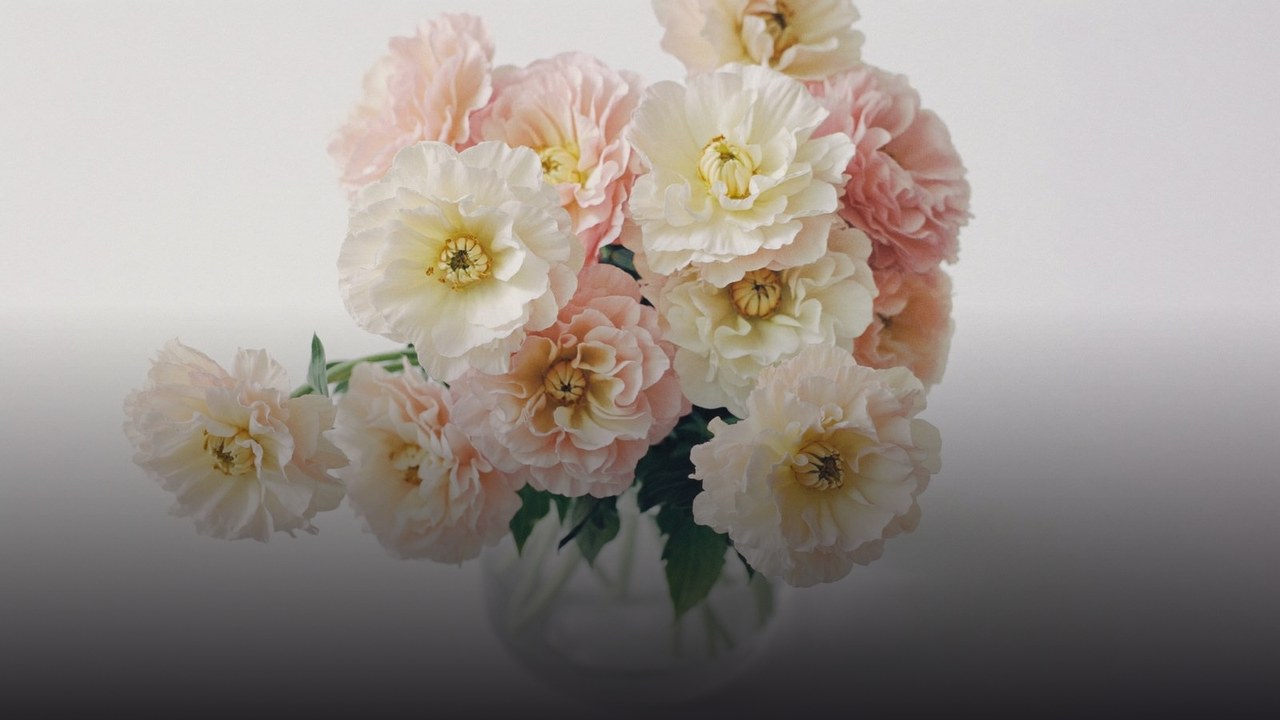
Eustoma russellianum is a botanical name used for lisianthus, a flowering plant prized for its softly folded petals and branching stems. You may also encounter the name Eustoma grandiflorum in horticultural references and plant catalogues. In a bouquet, these flowers bring a light, layered shape, with open blooms and smaller buds often sharing one stem.
If you are searching for this name before buying flowers, the useful distinction is between a growing plant and cut lisianthus. A potted plant needs suitable light, drainage and ongoing cultivation; cut stems need clean water and careful handling. For a gift to someone in Russia, start with the bouquet's colour, fullness and occasion, then agree the delivery details separately.
How to recognise eustoma and read a bouquet description
Lisianthus usually has smooth, grey-green leaves and slender stems that branch towards the top. Flowers can be single, with a relatively open centre, or double, with several layers of petals resembling a small rose. White, pink, purple and cream are familiar colours, while some cultivated varieties have contrasting petal edges. The precise shade depends on the variety.
Look at the whole stem when assessing a bouquet. One branched stem can carry several flowers at different stages, so a stem count does not tell you exactly how many open blooms you will see. A loose arrangement with visible branches will also look different from a compact bouquet made with the same number of stems. Ask about the intended overall size and shape.
A photograph helps you judge petal form, colour balance and the proportion of open flowers to buds. However, a tightly closed bud is not a promise of another fully open flower: its development depends on maturity and condition. If you prefer a bouquet that looks full when received, explain that preference when choosing. You can use the bouquets catalogue as a starting point.
Choose healthy stems and protect the delicate petals
Fresh-looking lisianthus should have firm stems, sound leaves and petals without extensive browning or translucent, damaged patches. Some outer petals naturally curl or fold, especially in double varieties; this differs from soft, collapsing tissue. Check the junctions where side branches meet the main stem, because a damaged branch may droop even while the rest looks healthy.
A mixture of open flowers and developed buds gives visual variety, but the right balance depends on the occasion. For a dinner or presentation happening soon, open blooms provide immediate impact. For a gift enjoyed at home, a few less-developed flowers can add interest over time. Avoid choosing a bouquet solely because it contains many small, tightly closed buds.
Handle stems below the flowers and avoid squeezing the flower heads through narrow wrapping. The petals mark easily when pressed or rubbed. Once the bouquet reaches its destination, remove transport wrapping carefully before arranging it, while keeping any ties that support the design until you can see how the stems are held together.
Bouquets we can deliver




Care for cut lisianthus from the first vase onwards
Begin with a thoroughly washed vase and fresh water. Remove leaves that would sit below the waterline, then trim the stem ends with a clean, sharp tool before placing them in water promptly. A vase with enough height to support the lower stems helps prevent the flower heads from pulling the arrangement sideways. Do not force a crowded bunch through a narrow neck.
If cut-flower food is supplied, follow its dilution instructions rather than estimating a stronger dose. Check the water daily, replenish it as needed and replace it when it becomes cloudy; wash the vase before refilling. Remove fallen leaves and spent flowers. These small jobs keep decaying material out of the water and make it easier to notice a failing stem.
Place the vase away from direct sun, radiators, heating vents and ripening fruit. Avoid spraying the petals: prolonged surface moisture can encourage spotting and decay. Recut stems when refreshing the arrangement if the ends have deteriorated, and remove individual spent blooms carefully. Vase life varies with the flowers' condition and the room, so a fixed number of days would be misleading.
Match the colour and message to the person
Lisianthus is often associated with appreciation, affection and gratitude, but flower meanings are conventions rather than a universal language. Your relationship and card text carry more weight than a supposed colour code. For a friend who has helped you, a direct sentence such as 'Thank you for being there when I needed you' gives the bouquet a clear, personal purpose.
White and cream can suit a restrained arrangement, while pink or lilac can create a softer impression. Purple offers stronger contrast, particularly beside pale flowers. These are visual choices, not rules about who may receive each colour. If you know the recipient's favourite shade or the colours they enjoy at home, that is usually a better guide than a list of symbolic meanings.
For a birthday, anniversary or thank-you gift in Russia, an odd number of flowers is the usual convention when individual flowers are counted; even numbers are traditionally associated with mourning. Branched lisianthus makes counting less obvious, so explain the occasion when discussing the arrangement. For a condolence gift, ask about the family's preferences and setting rather than adapting a celebratory design by colour alone.
Order a lisianthus bouquet for someone in Russia
Turboflora delivers flowers across Russia. When enquiring about lisianthus, describe the colour, approximate fullness and occasion, and say which details matter most to you. A request for 'pale lilac flowers with several open blooms and a light, branching shape' is more useful than a botanical name alone. Confirm the proposed bouquet before proceeding if a particular appearance is essential.
Contact a manager on WhatsApp for help choosing a bouquet, agreeing the address and time, writing the card text and obtaining a photo of the bouquet before delivery. Have the recipient's city, full delivery address and contact number ready. If you are arranging the gift from abroad, state the delivery date and intended local time clearly.
City delivery costs 500 RUB. For remote districts and suburbs, the operator confirms the delivery price when confirming the order. Online checkout uses CloudPayments; check the payment options displayed there before paying, because acceptance of every foreign card cannot be guaranteed. The delivery and payment page is a useful reference when organising the order.
Plan the arrival and make the handover straightforward
In large cities, express delivery is available within 1–2 hours after the order is confirmed. Other scheduling options include an exact time with a tolerance of plus or minus 30 minutes, or the windows 09–12, 12–15, 15–18 and 18–21. You can also pre-order 1–30 days ahead. Choose a time when the recipient can realistically receive the bouquet and put it in water.
The courier calls the recipient about 15 minutes before arrival, so a surprise gift still involves a practical delivery call. Delivery is anonymous by default: the courier does not name the sender. A card with your text is free. If you want the recipient to know who sent the flowers, sign the message explicitly rather than relying on the handover to explain.
If the recipient is absent, we agree a second delivery the same day or a handover to a neighbour or concierge with the sender's consent. Mention useful access details when agreeing the address, particularly for an office or a building with a reception desk. After arrival, the most helpful next step is simple: unpack carefully, prepare a clean vase and give the stems fresh water.
Frequently asked questions
Is eustoma russellianum the same flower as lisianthus?
Eustoma russellianum is a botanical name used for the flower commonly called lisianthus. You may also see Eustoma grandiflorum in horticultural references, so compare the plant or flower description as well as the name.
Will every lisianthus bud open in a vase?
No, particularly small or immature buds may remain closed. Choose a bouquet with enough open flowers for the effect you want on arrival, and treat later opening as a possibility.
How should I care for a lisianthus bouquet at home?
Use a clean vase, trim the stems and keep leaves out of the water. Check the water daily and place the flowers away from direct sun, heat and ripening fruit.
Can I send lisianthus to Russia while I am abroad?
You can arrange flower delivery across Russia with Turboflora and discuss the bouquet and delivery details with a manager. Payment at checkout uses CloudPayments; check the displayed options for your card before completing the order.
Will the recipient be told who sent the flowers?
Delivery is anonymous by default, and the courier does not name the sender. Add your name to the free card if you want the recipient to recognise the gift.
Ready to send flowers?
Pick the city, choose the bouquet, and a local florist takes it from there.
Choose a city →