Bringing Flowers to a Russian Wedding? Here Is What Guests Actually Do
You have been invited to a Russian wedding and you want to get the flowers right. The customs here differ from Western practice in ways that catch people off guard — the timing is different, the quantities carry meaning, and showing up with the wrong colour can feel awkward even if nobody says a word. This guide walks you through what Russian couples genuinely expect, which flowers suit the day, and how to make your gift feel generous rather than obligatory.
Why Russian Wedding Flower Customs Feel Different at First
In many Western countries, flowers are sent to the couple's home before the wedding or delivered as a table centrepiece arranged by the venue. Russian tradition works differently. Guests typically bring a bouquet in person on the wedding day itself, presenting it directly to the couple, often right after the ceremony or at the entrance to the banquet hall. This personal handover is part of the ritual. It is a moment of warmth and congratulation, not a logistical task to delegate.
The second thing that surprises outsiders is the number rule. In Russia, even numbers of flowers are associated with mourning and are brought to funerals. An odd number — five, seven, nine, eleven stems — is the correct choice for any celebratory occasion, including a wedding. This is not a superstition that older generations quietly observe while younger people ignore it. It is widely practised across age groups, and most Russian guests count the stems before they hand over a bouquet.
Finally, white flowers are welcomed at weddings in Russia, unlike in some Asian cultures where white signals grief. Cream roses, white lisianthus, and white peonies are all considered elegant and appropriate. Understanding these three points — timing, odd numbers, and colour meaning — puts you ahead of most foreign guests and lets you focus on choosing something genuinely beautiful.
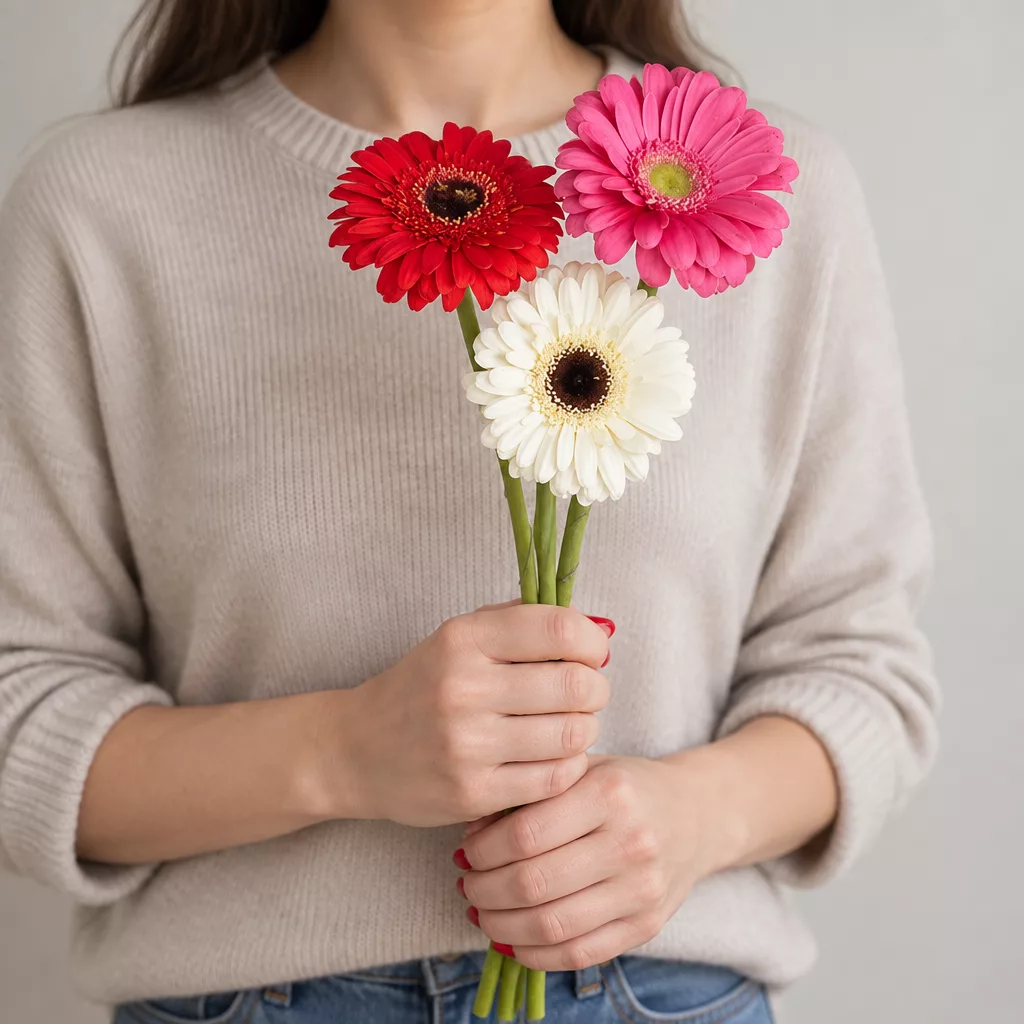
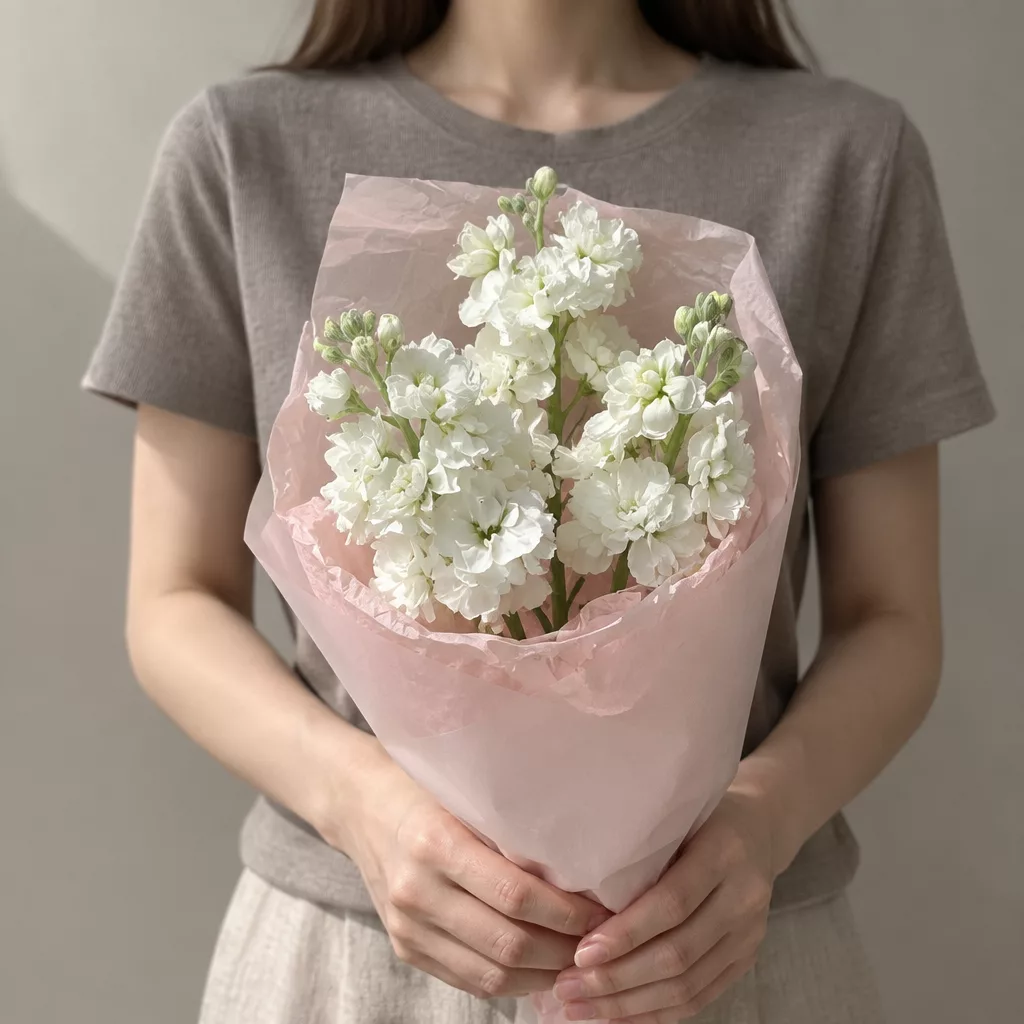
Bouquets we can deliver


Sending Flowers Before the Wedding: When It Makes Sense
Pre-wedding flower delivery is not the Russian norm for guests, but there are situations where it works well and is appreciated. If you cannot attend in person, sending an arrangement to the couple's home the morning of the wedding is a thoughtful alternative to arriving empty-handed later. It reaches them during the getting-ready hours, adds to the atmosphere of the day, and shows that you planned ahead. A delivery timed between nine and eleven in the morning tends to work best, before the household becomes chaotic with hair appointments and photographers.
If you are a close friend of the bride, you might also send a smaller bouquet to her separately on the morning of the wedding — not as the main gift, but as a personal gesture. Soft garden roses in blush or ivory, sweet peas when they are in season, or ranunculus in pale tones suit this moment well. Keep it loose and romantic rather than structured and formal, because she will be surrounded by ceremony flowers all day and something personal feels different.
One practical note: confirm that someone will be home to receive the delivery. Wedding mornings are busy and the couple may already be at a different location for preparations. Turboflora delivers across Saint Petersburg and ships fresh flowers to recipients throughout Russia, so coordinating timing is straightforward — but a quick message to confirm the address is active saves everyone the frustration of a missed delivery on an important day.
Arriving at the Wedding with a Bouquet: What to Choose
When you bring flowers in person, the bouquet needs to travel well and look composed after being carried from a car or public transport. Tight garden roses hold their shape reliably. Spray roses add volume without adding fragility. Lisianthus — sometimes called Russian rose because of how much it resembles a full rose — is exceptionally long-lasting and looks lavish without a lavish price. Avoid open lilies for a carried bouquet: the pollen can transfer onto clothing, which is a real problem when guests are dressed for a celebration.
For a summer wedding, peonies are the most beloved choice among Russian couples and guests alike. They are in season from late May through June in Russia, and a bouquet of seven or nine pale pink or white peonies with some eucalyptus or soft greenery reads as generous and genuinely festive. In autumn, dahlias in burgundy, terracotta, or dusty rose are sophisticated and seasonally honest. In winter, amaryllis and roses hold up well in cold temperatures and look dramatic against the pale light of a Russian December.
Presentation matters at a Russian wedding. The bouquet should be wrapped, not handed over in a plastic sleeve. Kraft paper with a satin ribbon, or a soft linen wrap in a neutral tone, signals that you cared about the detail. Most guests arrive with wrapped bouquets, and an unwrapped bunch can look hurried even if the flowers themselves are beautiful. If you are ordering for delivery, specify that the wrapping should be gift-ready.
Choosing by Budget Without Losing Elegance
A modest budget does not have to produce a modest-looking bouquet. The key is to choose one hero flower and build around it rather than mixing many different varieties at low stem counts. Five large garden roses with generous foliage — eucalyptus, ruscus, or even a few stems of pittosporum — look far more intentional than a mixed bunch of ten different flowers squeezed together. Restraint reads as confidence when the flowers are good quality.
At a mid-range budget, you can move into mixed compositions that tell more of a story. A combination of roses, lisianthus, and astrantia in a soft colour palette — ivory, blush, and sage — looks like something a florist designed rather than something assembled from a display bucket. Adding a single accent flower, such as a few stems of white scabiosa or a handful of wax flower, gives texture without complication. Odd numbers still apply: seven or nine total stems is the right count for this kind of arrangement.
For a more generous gift, consider a full composition that includes statement flowers like peonies, garden roses, and ranunculus together, with trailing greenery and perhaps a few stems of ornamental grass for movement. This kind of bouquet photographs beautifully, which matters at a wedding where everything will be documented. At this level, the wrapping should match the flowers — think structured paper with a velvet ribbon rather than simple kraft. Whatever the budget, freshness is non-negotiable: flowers cut and assembled on the day of delivery will always outperform older stock regardless of variety.
Colours That Work and Colours Worth Avoiding
Russian wedding aesthetics have shifted considerably over the past decade. Couples in their twenties and thirties often choose muted, sophisticated palettes — dusty rose, sage, terracotta, champagne — over the vivid reds and bright yellows that were popular in earlier generations. As a guest, mirroring the wedding colours is a lovely touch if you know them, but a soft neutral palette is always safe and always elegant.
White and cream are genuinely appropriate for Russian weddings, which is worth emphasising because guests from some other cultural backgrounds hesitate over white flowers. A bouquet of white lisianthus with silver brunia and eucalyptus looks polished and contemporary. Ivory roses with a touch of blush are warm and romantic. Neither of these will be misread.
Red roses deserve a word of their own. They are not wrong at a Russian wedding — red roses are a traditional symbol of love and passion — but they can feel slightly old-fashioned depending on the couple's taste. If you know the couple well and know they love classic romantic gestures, a tight bouquet of deep red roses is a perfectly honourable choice. If you are less certain of their aesthetic, a mixed palette or a single sophisticated colour like dusty mauve or soft coral is less risky and equally meaningful.
Yellow flowers are cheerful and not inappropriate, but in some older Russian folk belief yellow is associated with separation. Most young Russians do not hold this view, but if you are giving flowers to someone from an older or more traditional family, it is worth knowing. When in doubt, pink and white are universally safe.
After the Wedding: Flowers as a Delayed Congratulation
Sometimes circumstances prevent you from attending or from bringing flowers on the day. Sending flowers after a Russian wedding is a perfectly acceptable and warm gesture, and in some ways it extends the celebration into the quieter days that follow. Couples often feel the contrast between the intensity of the wedding day and the ordinary Tuesday that comes after it. A fresh bouquet arriving on the second or third day after the ceremony can be genuinely touching.
For a post-wedding delivery, you have more flexibility in composition because the flowers do not need to travel in someone's hands. A vase arrangement or a larger structured bouquet can be delivered directly to the couple's home. This is also a good opportunity to include something with longevity — orchid stems, for instance, last far longer than roses and give the couple something living to enjoy for weeks. A single-variety arrangement of white or pale pink phalaenopsis orchid stems in a tall clear vase is modern, long-lasting, and feels like a considered gift rather than a conventional one.
If you are sending from another city, a next-day or two-day delivery is still timely and will be received warmly. Include a handwritten card if possible — or at minimum a personalised message through the order. The note matters as much as the flowers in this context, because it explains the timing and makes the gesture feel intentional. Something simple like acknowledging that you wished you could have been there, or that you wanted to mark the occasion with something beautiful, is enough.
Keeping Wedding Flowers Fresh: What the Couple Should Know
Couples receive many bouquets on a wedding day and often have no time to care for them properly in the first twenty-four hours. As the person giving the flowers, you cannot control what happens after handover — but if you are close to the couple, a quiet word about care can make a real difference to how long the flowers last.
The most important step is a fresh diagonal cut on every stem as soon as the bouquet reaches water. This reopens the stem's vascular system and allows proper hydration. Scissors compress the stem; a sharp knife or proper floral shears make a clean cut. The water in the vase should be changed every two days, and the stems should be recut each time. This alone extends vase life significantly.
Temperature is the other major factor. Flowers deteriorate quickly in warm rooms, especially in the heated interiors common in Russian apartments during winter. Keeping the vase away from radiators and direct sunlight adds days to the arrangement's life. At night, moving the vase to a cooler spot — a hallway or an unheated room — is genuinely effective. Roses in good conditions last seven to ten days. Lisianthus can go twelve to fourteen days. Peonies are shorter-lived once fully open, typically five to seven days, but they are so spectacular in full bloom that the brevity feels worth it.
Stripping any leaves that sit below the waterline prevents bacterial growth, which is the main reason water turns cloudy and flowers decline faster than they should. A small pinch of sugar in the water helps, as does a drop of bleach — old florist tricks that still work.
Getting flowers right for a Russian wedding is less complicated than it first appears once you understand the core customs: bring them in person on the day if you can, count to an odd number, and choose something fresh and beautifully wrapped. Whether you are arriving at the ceremony with a bouquet of garden roses, sending a delivery to the couple's home the morning of the wedding, or marking the occasion with a generous arrangement a few days after — the gesture carries warmth regardless of timing. The flowers themselves matter, but the thought behind them matters more, and in Russian wedding culture that thought is always welcomed. We deliver bouquets across Russia in 1–2 hours.
Frequently asked questions
Is it rude to bring flowers to a Russian wedding without being asked to?
Not at all — bringing flowers as a guest is the standard practice at Russian weddings, not an exception. Guests routinely arrive with a bouquet to present personally to the couple. It is expected and welcomed. The only consideration is to bring an odd number of stems, which is the correct count for celebratory occasions in Russian tradition.
Can I send flowers to a Russian wedding if I live in a different city?
Yes, and it is a thoughtful gesture. Arrange delivery for the morning of the wedding if possible, or send a congratulatory bouquet in the two or three days following the ceremony. Confirm the delivery address is staffed — wedding mornings can be hectic and couples may be at a different location for preparations. A personal note with the delivery makes the timing feel intentional.
Are white flowers really acceptable at a Russian wedding?
Yes, white and cream flowers are entirely appropriate for Russian weddings. Unlike some cultural traditions where white signals mourning, in Russia white is associated with purity and celebration. White roses, lisianthus, and peonies are popular choices among both guests and couples planning their own wedding florals.
How many flowers should a wedding bouquet from a guest contain?
Always an odd number — five, seven, nine, eleven, or more stems. Even numbers are associated with funerals in Russian tradition and should be avoided for any celebratory gift. This rule is widely observed across generations in Russia, so counting stems before handing over a bouquet is a simple and respectful habit to adopt.
Which flowers last longest when given as a wedding gift?
Lisianthus and spray roses are among the most durable cut flowers, often lasting ten to fourteen days with proper care. Chrysanthemums last even longer but read as more casual. Peonies are shorter-lived but spectacular. For a post-wedding delivery where longevity matters, orchid stems in a vase arrangement can last several weeks and feel like a genuinely considered gift.
Ready to send flowers?
Pick the city, choose the bouquet, and a local florist takes it from there.
Choose a city →