How to arrange roses and hydrangeas together
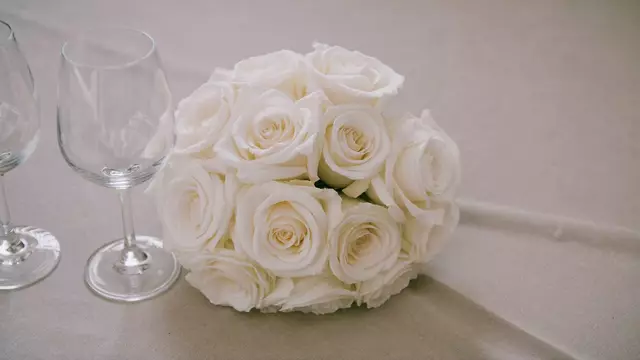
To arrange roses and hydrangeas together, prepare the stems separately, place the hydrangeas in a clean vase to establish the shape, then position roses between and slightly above their flower heads. Keep every stem end in water, remove submerged leaves and leave enough space around the blooms to avoid crushing the petals.
Hydrangeas give an arrangement breadth, while roses provide distinct points for your eye to follow. The main challenge is balancing those different shapes: a single large hydrangea head can occupy as much visual space as several roses. Start with the vase and the place where you will display it, then build gradually instead of trying to fit every stem into a fixed design.
Choose a vase that supports the flowers
For a first attempt, choose a stable vase with a moderately narrow neck and a body wide enough to hold a useful reserve of water. A very wide opening lets heavy stems spread apart; a tiny opening can squeeze them together. Set the empty vase in its intended position and check that the finished flowers will have room without touching a wall or curtain.
For a dining table, aim for a low arrangement that allows people to see one another across it. For a side table, you can give the roses more height, provided the vase remains stable. Judge the proportions using the actual blooms: large hydrangea heads add width quickly, so a short, rounded design may already feel substantial without long stems.
Wash the vase thoroughly before you begin, including the inside of the neck. Fill it with fresh water and add cut-flower food according to the packet instructions if you have it. Leave working space beside the vase for trimmed leaves and stems, and use sharp, clean secateurs or flower scissors so that each cut is clean rather than crushed.
Prepare roses and hydrangeas before arranging
Remove any leaves that would sit below the waterline, checking each stem against the vase rather than stripping all foliage automatically. Leaves left underwater deteriorate and make the water harder to keep clean. Retain sound upper leaves where they contribute to the shape, but remove damaged foliage and anything that will be trapped tightly between neighbouring stems.
Recut the stem ends with a clean, angled cut and put the flowers into water promptly. Make your first cuts conservatively: you can shorten a stem later, but you cannot restore its length. If the flowers have travelled or been out of water, give them time to take up water in a separate clean container before deciding their final positions.
Handle hydrangeas by their stems rather than gripping the flower heads, and keep rose petals from rubbing against the work surface. Trim away only visibly damaged outer rose petals when necessary. Avoid hammering woody stem ends or using boiling water as a routine preparation step; careful cutting, clean containers and access to water are the sensible starting points.
Bouquets we can deliver




Build the hydrangea shape, then place the roses
Begin with a hydrangea stem placed at a slight angle so its head rests near the vase rim. Add the next hydrangea in a different direction, turning the vase as you work. You are establishing a loose outline, not packing a solid ball. If you have only one large hydrangea, use it as an off-centre base and let the roses extend the shape around it.
Add roses through the spaces between hydrangea stems, guiding each stem all the way into the water. Keep some rose heads close to the hydrangea surface and allow others to sit a little higher. This variation makes both flowers readable. A rose pushed too far into a dense hydrangea head disappears, while every rose standing high above it can make the arrangement look disconnected.
Step back after every few stems and look from the height at which the flowers will be seen. Turn the vase through a full circle if it will sit in the middle of a table. Shorten any stem that breaks the outline awkwardly, and remove a flower if the centre becomes crowded. Before finishing, check that no short stem is suspended above the water.
Use colour and spacing to make the mix work
For a calm design, choose roses and hydrangeas in neighbouring shades, such as soft pink with cream or white with pale pink. If you prefer contrast, let one colour occupy most of the arrangement and repeat the second in several places. You do not need equal numbers of each flower: compare the space their heads occupy, not just the stem count.
Distribute roses in small, uneven groups rather than making a rigid ring around the hydrangeas. Leave a little space between some flower heads so the individual shapes remain visible. If the arrangement looks heavy on one side, first try turning or lowering a hydrangea stem; adding more flowers to the opposite side may simply make the whole design too crowded.
For a gift, use a colour preference you actually know, or take your cue from the recipient's room and the occasion. Flower meanings vary between people and cultures, so avoid relying on a colour to communicate a precise message. A short card saying what you mean is clearer. For a shared dining table, also consider whether the particular roses have a noticeable scent.
Keep the mixed arrangement supplied with fresh water
Check the water level daily and more often at first if it drops quickly. Large flower heads can hide the vase opening, so look directly into the container rather than judging from outside. Every stem end needs to remain submerged. Topping up restores the level, but it does not replace cleaning when the water is cloudy or there is debris in the vase.
To change the water, lift the arrangement carefully, keeping its shape loosely together, and place it in a clean temporary container. Wash the vase, refill it and use fresh flower food at the stated dilution if available. Recut stem ends as needed before returning the flowers. Our guide to rose vase life explains rose care in more detail.
Display the vase away from direct sun, radiators, strong draughts and ripening fruit. If a hydrangea begins to droop, check its water supply and stem end before changing the whole arrangement: recut it and let it stand separately in fresh water while you assess it. Recovery is not certain. Remove deteriorating flowers individually so the remaining stems have space and clean water.
Arrange a flower gift for someone in Russia
If you are sending flowers instead of arranging them yourself, start with the bouquets catalogue and use the designs shown to explain your preferred colours and proportions. For a rose-and-hydrangea request, contact a manager on WhatsApp to discuss the choice, agree the address, delivery time and card text, and request a photo before delivery. Confirm the flower combination when agreeing your order.
Turboflora delivers flowers across Russia. City delivery costs 500 RUB; for remote districts and suburbs, the operator confirms the price when confirming the order. In large cities, express delivery is available in 1–2 hours after confirmation. You can also arrange an exact time with a margin of plus or minus 30 minutes, choose 09–12, 12–15, 15–18 or 18–21, or preorder 1–30 days ahead.
Delivery is anonymous by default, so the courier does not name the sender; a card with your text is free. The courier calls the recipient about 15 minutes before arrival. If they are absent, we agree a second delivery that day or a handover to a neighbour or concierge with your consent. See delivery and payment for planning; online checkout uses CloudPayments, and you should check the payment options displayed there.
Frequently asked questions
Can roses and hydrangeas share the same vase?
Yes, you can arrange them in the same vase with clean water and all stem ends submerged. Remove leaves below the waterline and check the water level daily.
How many roses should I use with one hydrangea?
There is no fixed ratio because flower-head sizes vary considerably. Place the hydrangea first, then add roses until they create visible points across the arrangement without crowding it.
Should the roses sit higher than the hydrangeas?
Let some roses sit slightly above the hydrangeas and keep others close to their surface. Avoid burying rose heads inside the hydrangeas or placing every rose at the same height.
What should I do if a hydrangea droops?
Check that its stem end reaches the water, then recut it with a clean tool and place it separately in fresh water. Give it time to take up water before assessing it again; a deteriorating flower may not recover.
Can I pay for flowers to Russia with a foreign card?
Online checkout uses CloudPayments. Check the options displayed at checkout, as acceptance of every foreign card is not guaranteed.
Ready to send flowers?
Pick the city, choose the bouquet, and a local florist takes it from there.
Choose a city →