Regular flower delivery: a practical guide to sending flowers to Russia
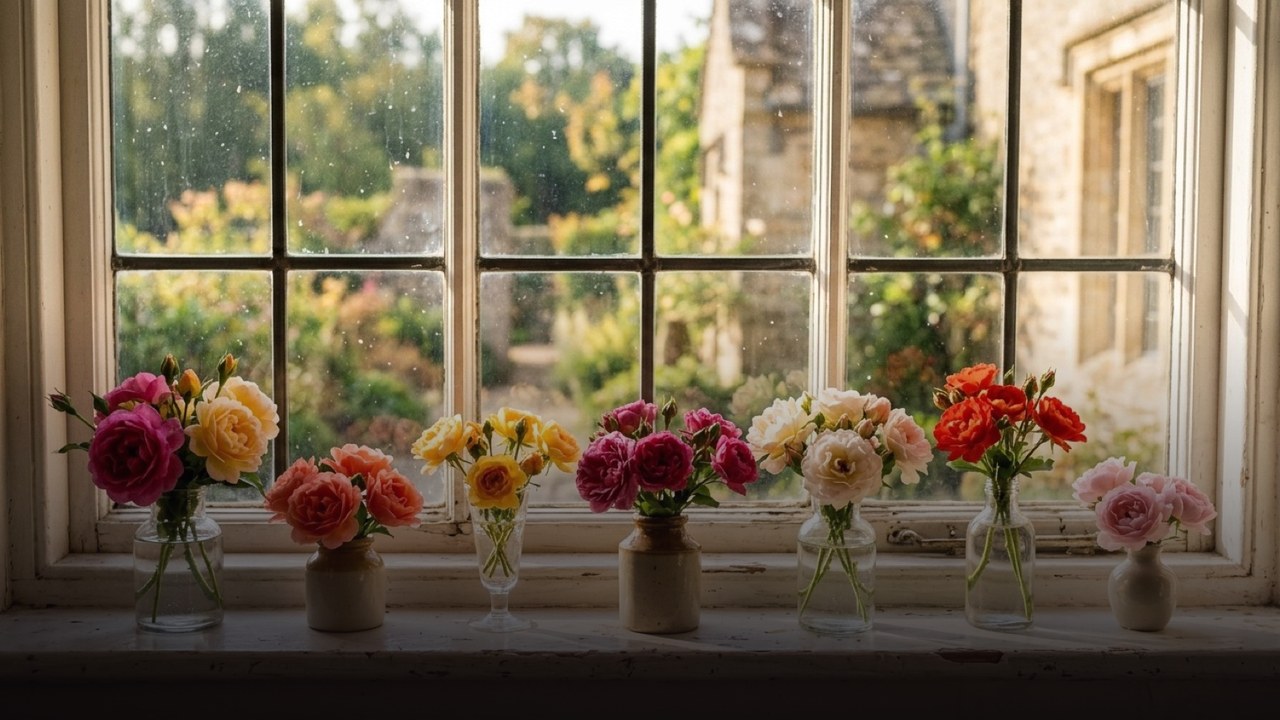
Regular flower delivery means sending bouquets on a planned schedule, such as weekly, monthly or on dates that matter to someone you love. To arrange repeated gifts to Russia with Turboflora, agree the details for each order and use advance ordering from 1 to 30 days ahead. If you want an ongoing arrangement, ask the manager how your preferred schedule can be organised before assuming that orders or payments will repeat automatically.
A useful schedule starts with the recipient’s routine: when they are home, where they display flowers and how much care they enjoy giving them. Sending from abroad also means checking the recipient’s local date and time carefully. The aim is to make each bouquet easy to receive and enjoy, with enough variety that a regular gift still feels personal.
Choose a rhythm that suits the recipient
Weekly flowers may suit someone who enjoys refreshing a vase often, while a monthly bouquet leaves more space between gifts. Neither interval guarantees that one arrangement will last until the next arrives: vase life varies with the flowers, their stage of opening and conditions in the home. Choose your rhythm around the recipient’s enjoyment rather than an expectation of uninterrupted blooms.
Consider the work involved as well as the gesture. A person who travels frequently may appreciate flowers after returning home more than a fixed delivery during every trip. Someone with limited space may prefer a modest bouquet that fits a familiar vase. Before setting dates, ask whether the recipient likes arranging stems themselves or prefers a gift that needs little handling.
Keep a simple calendar with the intended date, delivery address, recipient’s phone number and your note for each occasion. Add a reminder early enough to review the next order within the available advance-ordering period. This helps you catch changed plans and avoids treating last month’s address, timing or message as automatically correct for the next delivery.
Build variety around flowers they actually enjoy
Start with preferences you can describe clearly: soft or bright colours, a compact or airy shape, strong fragrance or very little scent. These details are often more helpful than asking for something “beautiful”. You can browse the bouquets catalogue for a visual starting point, then discuss the recipient’s preferences with the manager before deciding what to order.
For repeated gifts, keep one familiar element and change another. You might stay within a favourite colour palette while choosing a different bouquet, or alternate gentle shades with a brighter arrangement for a celebration. This creates continuity without sending an identical message every time. Refer to previous orders so you can explain which colours or shapes the recipient particularly enjoyed.
Think about the room where the bouquet will stand. A broad arrangement can overwhelm a small desk, while tall stems need a suitably stable vase. If fragrance bothers the recipient, mention that when choosing. If there are pets or small children at home, check the suitability of the particular flowers before ordering; lilies are especially dangerous to cats, including their pollen and vase water.
Bouquets we can deliver




Make the gesture clear with thoughtful etiquette
Flowers do not carry one universal message. Red roses often suggest romance, but the recipient’s taste and your relationship matter more than a rigid colour code. For a parent, friend or colleague, use a card to explain the occasion or simply say that you are thinking of them. A short, specific message prevents a regular gift from feeling unexplained or overly formal.
In Russia, an odd number of flowers is customary for celebratory gifts when individual stems are counted; even numbers are traditionally associated with mourning. If you are choosing a clearly counted bouquet, discuss that detail with the manager. For mixed arrangements, explain the occasion and the feeling you want to convey rather than trying to apply a separate symbolic meaning to every stem.
Delivery is anonymous by default: the courier does not name the sender. A card with your text is free, so sign it if you want the recipient to know who sent the flowers. With regular deliveries, a name and a fresh sentence about a shared memory or upcoming visit can mean more than a long message. Check spelling carefully, especially when writing names in another alphabet.
Plan delivery around local time and daily routines
We deliver flowers across Russia. City delivery costs 500 RUB; for remote districts and suburbs, the operator confirms the price when confirming the order. For a repeated schedule, check the delivery details whenever the address changes. A home, workplace and holiday address may involve different practical arrangements, even when all three are associated with the same recipient.
Express delivery in large cities is available 1–2 hours after the order is confirmed. You can also arrange an exact time with a tolerance of plus or minus 30 minutes, or choose a window: 09–12, 12–15, 15–18 or 18–21. Orders can be placed 1–30 days ahead. When ordering from another country, state the intended date and time at the destination so the plan is clear.
The courier calls the recipient about 15 minutes before arrival, so use a phone number they can answer. If the recipient is absent, we agree a second delivery the same day or handing the flowers to a neighbour or concierge with the sender’s consent. For a surprise, choose a likely period at home and remember that the arrival call is part of the delivery arrangements.
Give each bouquet a good start at home
A clean vase makes a practical difference. Wash it thoroughly before filling it, then remove any leaves that would sit below the waterline. Trim stem ends with a clean, sharp tool before placing them in water. Different flowers can need different handling, so follow any specific care guidance for the bouquet rather than assuming every stem should receive exactly the same treatment.
Check the water daily and refresh it when it becomes cloudy; wash the vase again when needed. If you use flower food, follow its packet instructions instead of estimating the dose. Keep the bouquet away from radiators, direct sunlight and ripening fruit. These steps help reduce avoidable stress, but they do not establish a fixed number of days that every bouquet will remain fresh.
As individual flowers fade, remove them and keep enjoying the stems that remain in good condition. A smaller vase can make the later arrangement easier to support and display. With regular gifts, it can be useful to tell the sender which bouquets were easiest to care for. That feedback gives the next selection a practical basis alongside colour and appearance.
Arrange and review each order from abroad
Before ordering, gather the recipient’s name, reachable phone number, full delivery address, intended date and preferred time. Prepare your card text and decide whether to sign it. Contact a manager on WhatsApp for help choosing a bouquet and agreeing the time, address and message. You can also arrange a photo of the bouquet before delivery.
For regular flower delivery, explain the frequency you have in mind and confirm which upcoming orders are being arranged. Keep a record of confirmed dates so a proposed schedule does not become confused with a completed order. Recheck the next occasion when the recipient’s plans change, and give clear instructions about whether you consent to handing the flowers to a neighbour or concierge if needed.
Online checkout uses CloudPayments. Check the payment options displayed at checkout, particularly if you are paying from abroad; acceptance of every foreign card is not guaranteed. Review the delivery and payment information alongside the details confirmed for your order. Keep the agreed date, address and card text together so you can refer to the same information when planning the following bouquet.
Frequently asked questions
Can I arrange regular flower delivery as an automatic subscription?
Ask the manager how your preferred schedule can be organised and confirm the details for each order. Advance ordering is available 1–30 days ahead; do not assume that future orders or payments repeat automatically.
How often should I send flowers?
Choose an interval that fits the recipient’s routine, space and interest in caring for flowers. Weekly or monthly gifts can both work, but bouquet life varies, so avoid planning on the assumption that every arrangement will last until the next delivery.
Can I choose a delivery time in Russia while ordering abroad?
You can arrange an exact time with a tolerance of plus or minus 30 minutes, or select a 09–12, 12–15, 15–18 or 18–21 window. State the date and time at the recipient’s destination when agreeing the order.
Will the recipient know who sent the flowers?
The courier does not name the sender because delivery is anonymous by default. Include your name in the free card text if you want the recipient to recognise your gift.
Can I pay for flowers with a foreign bank card?
Online checkout uses CloudPayments, and acceptance of every foreign card is not guaranteed. Check the options displayed at checkout before completing your order.
Ready to send flowers?
Pick the city, choose the bouquet, and a local florist takes it from there.
Choose a city →