How to Check Skimmia in a Bouquet for Damage
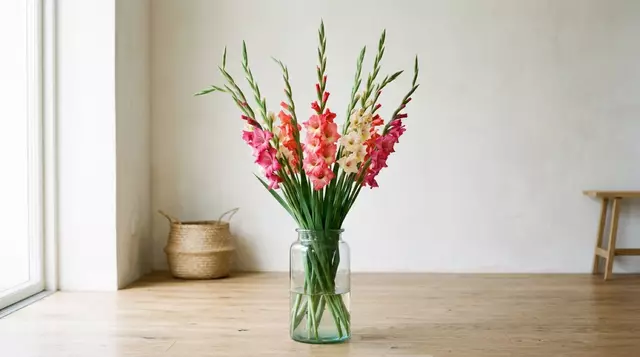
Check skimmia in a bouquet for snapped stems, collapsed or shrivelled clusters, soft dark patches and fuzzy mould. Compact, tightly closed buds are normal; judge their condition alongside the firmness of the leaves and stems.
Look at several sprigs before deciding whether there is a problem. One scuffed leaf suggests local damage, while widespread limp foliage or deteriorating clusters calls for a closer inspection.
What healthy skimmia can look like
Skimmia often adds dense clusters of small buds and leathery foliage to a bouquet. Bud colour varies with the variety and stage of development, so red or dark colouring alone does not prove damage. Do not assume every rounded cluster is a group of berries.
Look for clusters that hold their shape, leaves that feel reasonably firm and stems that support their own tips. Closed buds do not need to open for the skimmia to serve its decorative purpose.
Signs that deserve a closer look
Mechanical damage usually has a clear location: a crease in a stem, a split, crushed buds or a cluster hanging from a partly broken branch. Inspect where wrapping or a tight tie has pressed against the sprigs. A break will not repair itself in water.
Drying can show as wrinkled buds, brittle tips, curling leaves or clusters that shed material with gentle handling. Limp foliage can also indicate water stress, but appearance alone cannot tell you when it happened or whether the stem will recover.
Soft, wet-looking brown or black areas, fuzzy growth and an unpleasant smell are more concerning than a dry surface scuff. Check between tightly packed clusters and beneath overlapping leaves without pulling them apart. Colour alone is less useful than a change in texture.
Bouquets we can deliver




What to check when you unpack the bouquet
Photograph the bouquet as received, then release the outer wrapping carefully so you can see the skimmia. Support the stems while inspecting them rather than lifting the bouquet by a cluster. Our guide to unpacking a bouquet without damaging it explains the handling steps.
Check whether the damage affects one exposed sprig or several stems inside the bouquet. Look at neighbouring flowers too: a crushed patch may affect everything in the same area. Take a close-up of the problem and a wider photograph showing its position.
Care steps and when to contact us
For otherwise sound stems, use a clean vase, remove foliage that would sit below the waterline and recut the stem ends with clean, sharp tools. Keep the bouquet away from direct heat and sun, and change the water if it becomes cloudy. Handle skimmia clusters as little as possible.
Remove visibly mouldy material from contact with the other flowers. If the bouquet arrived with broken stems, soft patches or extensive wilting, document the condition promptly; our damaged bouquet guide provides a practical next step.
If you are ordering flowers for someone in Russia, contact a manager on WhatsApp to discuss your bouquet choice, delivery details and a photo before delivery. A photo can help you assess the overall appearance, although it cannot confirm stem firmness or reveal every hidden area. Check our delivery information; confirm the timing for your order.
Frequently asked questions
Are closed skimmia buds a sign that the bouquet is old?
No. Skimmia is often used for its compact bud clusters, so closed buds alone are not a freshness problem. Check for shrivelling, softness, mould and damaged stems instead.
Will wilted skimmia recover in water?
Water-stressed stems may improve after recutting and placing them in clean water, but recovery is uncertain. Snapped stems, brittle dried clusters and decaying tissue will not be repaired by hydration.
Ready to send flowers?
Pick the city, choose the bouquet, and a local florist takes it from there.
Choose a city →