VAT for UK Florists: A Practical Guide for Buyers and Businesses

In the UK, cut flowers and ornamental bouquets are normally subject to the standard VAT rate of 20% when sold by a VAT-registered business. Florists must register when the applicable registration rules require it, although voluntary registration is possible. If you are buying flowers for delivery in Russia, your location in the UK alone does not determine the transaction’s VAT treatment.
The practical questions are whether the seller is VAT registered, what the order includes and where the transaction takes place for tax purposes. For a florist, those questions affect pricing, records and invoices; for someone sending a gift, they help explain the checkout total. This guide separates ordinary UK flower sales from arranging a delivery in Russia, so you can ask for the right information without assuming that every bouquet follows the same tax rules.
Do UK florists charge VAT on flowers?
A VAT-registered UK florist generally charges standard-rate VAT on cut flowers, decorative foliage, ornamental plants and bouquets supplied in an ordinary UK retail sale. Flowers do not become zero-rated simply because they are natural, perishable or given as a present. A birthday bouquet and sympathy flowers will therefore normally have the same VAT rate, despite their different purposes.
Registration matters as much as the product. A business that is not VAT registered must not add VAT to its sales or issue a VAT invoice as though it were registered. That does not mean its flowers are tax-exempt: it means the business is not collecting VAT under the registration system. If you need to understand a charge, ask about the seller’s VAT status before drawing conclusions from the receipt.
Be careful with broader gardening ranges. Certain seeds and plants grown to produce food can receive different treatment from ornamental flowers, so a business selling both should check the relevant HMRC guidance for each category. Do not apply a rule for edible crops to a decorative bouquet, or assume every item described as a plant belongs in the same VAT category.
When does a florist need to register for VAT?
For a UK-established business, the usual compulsory registration tests consider taxable turnover over a rolling twelve-month period and turnover expected in the next thirty days alone. The registration threshold can change, so check the current figure and deadlines directly with HMRC. Looking only at your annual accounts can miss the point when a growing florist becomes liable to register.
Taxable turnover means qualifying sales, rather than profit after buying stems, wrapping and other supplies. A florist with substantial sales can reach the registration threshold even when its remaining margin is modest. Keep a monthly running total and check any unusually large event booking against the forward-looking rule, rather than waiting until the end of the financial year.
Voluntary registration may allow recovery of eligible input VAT, but it also brings obligations to charge VAT, maintain records and submit returns. Whether it makes commercial sense depends partly on your costs and whether your customers can recover VAT themselves. Non-UK-established businesses can face different registration rules, so do not assume the ordinary UK threshold applies to every seller.
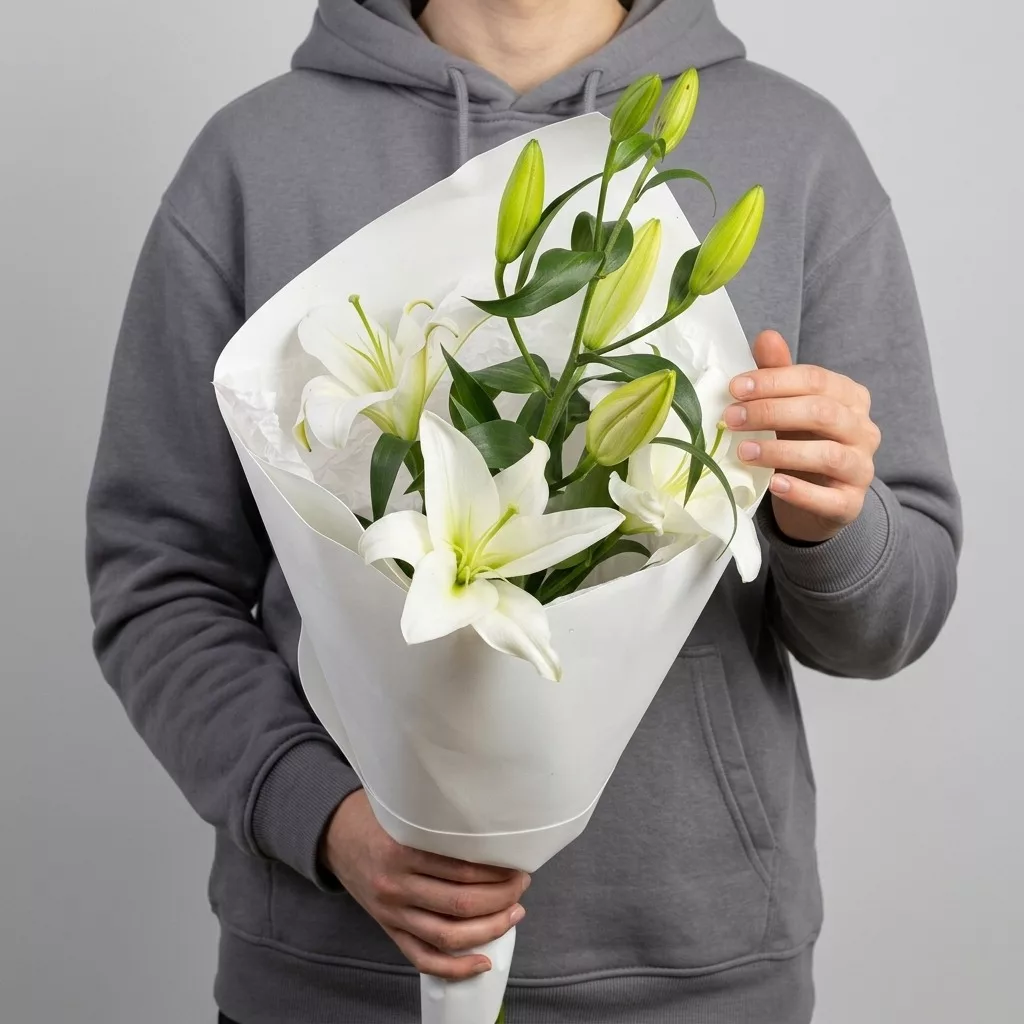
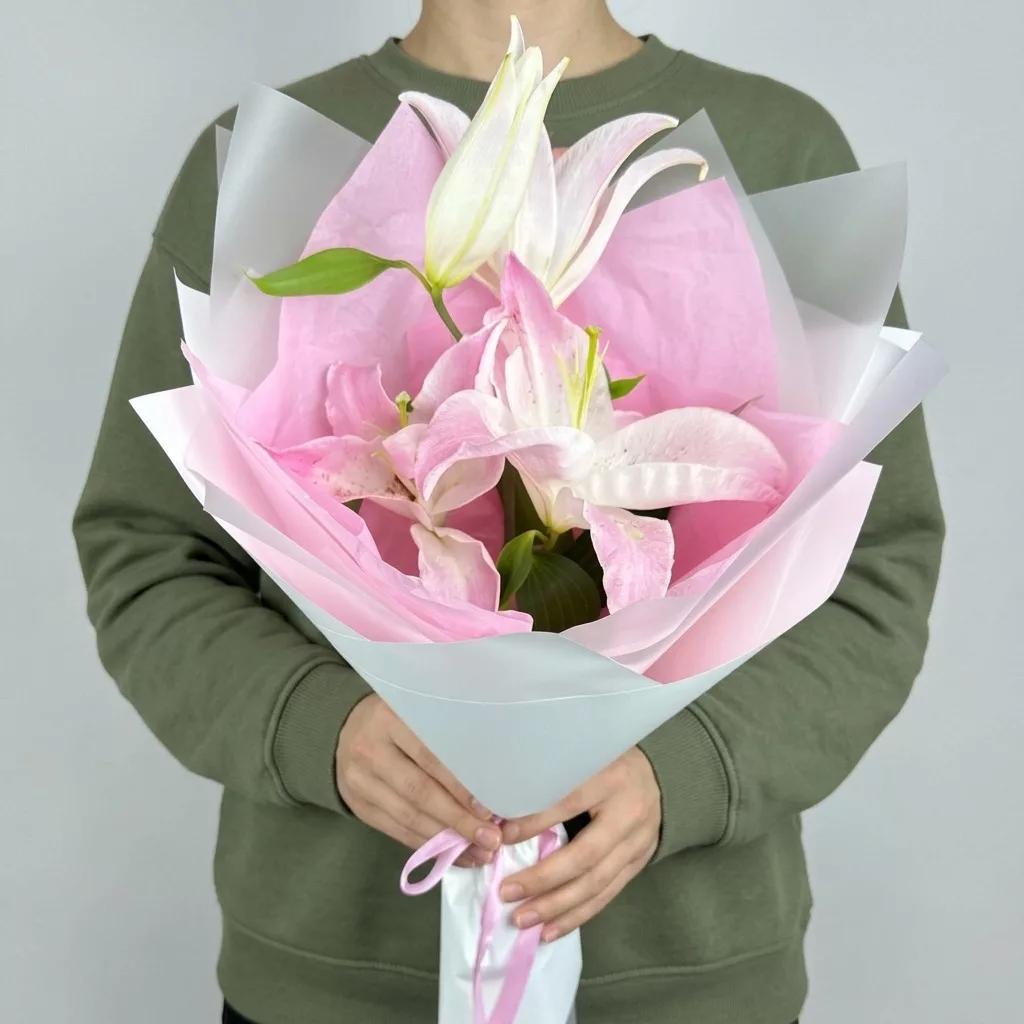
Bouquets we can deliver


How VAT affects bouquet prices, delivery and extras
For a standard-rated sale, VAT is calculated on the amount charged for the taxable supply. To extract the VAT already included in a total at 20%, divide that total by six; multiplying a VAT-inclusive total by 20% gives the wrong answer. To build a selling price from a net amount, multiply the net amount by 1.20. Keeping those calculations distinct helps prevent pricing and bookkeeping errors.
Delivery charged by the seller as part of supplying a bouquet normally follows the VAT treatment of the goods. Listing the delivery charge on a separate line does not automatically make it exempt or zero-rated. A genuinely separate transport service can raise different questions, so use the actual contractual arrangement when deciding how to account for the charge.
Wrapping, containers and additional gifts also need consistent treatment. Routine presentation supplied with a bouquet will commonly form part of the flower sale, while a package containing separately identifiable products may require closer analysis. Describe what you sell clearly, record any appropriate allocation and avoid using a single assumed rate for a mixed range without checking the rules.
Invoices and records: what buyers and florists should check
If you are purchasing for a VAT-registered business, request an appropriate VAT invoice and check the supplier’s registration details, invoice date, description and tax calculation. A payment confirmation alone may not contain everything needed to support an input VAT claim. For a personal gift, VAT is normally part of your purchase cost rather than something you can reclaim.
Business purchases of flowers require another distinction: receiving a valid VAT invoice does not automatically make the VAT recoverable. The purpose of the purchase matters, and business gifts or entertainment can involve additional restrictions or accounting requirements. Flowers for reception, a client gift and a private anniversary should not all be recorded under one undifferentiated expense category.
For florists, useful records connect the customer order, payment, invoice and any later adjustment. Record the bouquet description accurately enough to explain the supply, especially when an order combines flowers with other products. If an order changes, make the accounting record reflect the actual transaction instead of leaving an invoice that describes flowers or extras that were never supplied.
Does UK VAT apply when you send flowers to Russia?
Paying from Britain does not, by itself, turn a flower delivery in Russia into a standard UK domestic sale. The seller’s circumstances, the contractual supply and the location of the goods can all matter. Equally, an overseas recipient does not automatically make a purchase zero-rated. Anyone needing a tax decision for business records should establish those facts before choosing an accounting treatment.
Distinguish flowers physically exported from the UK from an order placed with a business delivering flowers within Russia. Those are different situations, and UK export rules should not simply be copied across to the second. For a business purchase, ask for documentation showing the actual seller and transaction; do not calculate a UK VAT reclaim merely because you paid while in the UK.
Turboflora delivers flowers across Russia. You can choose from our bouquets catalogue and check the options displayed at checkout, where online payment uses CloudPayments. Acceptance of a particular foreign card is not guaranteed. These ordering details do not establish the transaction’s tax treatment, so request the information your accountant needs if you are buying on behalf of a business.
Arrange the Russian delivery details before checkout
Once you have settled any invoice questions, focus on the recipient’s city, full address and intended delivery date. City delivery costs 500 RUB; for remote districts and suburbs, the operator confirms the price when confirming the order. Check our delivery and payment information, and make clear which recipient address the delivery arrangements relate to.
In large cities, express delivery is available within 1–2 hours after the order is confirmed. You can also arrange an exact time with a tolerance of plus or minus 30 minutes, or choose a window of 09–12, 12–15, 15–18 or 18–21. Orders can be placed 1–30 days ahead. Agree the recipient’s local date and time explicitly when you are organising the gift from another country.
Use WhatsApp for help choosing a bouquet and agreeing the address, timing, card text and a photo before delivery. A card with your text is free, and delivery is anonymous by default: the courier does not name you. The courier calls about 15 minutes before arrival; if the recipient is absent, a second delivery that day or a handover to a neighbour or concierge is agreed with your consent.
Frequently asked questions
Are cut flowers zero-rated for VAT in the UK?
No. Cut flowers and ornamental bouquets are normally standard-rated at 20% when supplied by a VAT-registered business in an ordinary UK sale.
Must every UK florist register for VAT?
No. Compulsory registration depends on the applicable rules, including taxable turnover, and businesses can also register voluntarily. Check HMRC’s current threshold and deadlines rather than relying on an older figure.
Is VAT charged on a florist’s delivery fee?
Delivery supplied by the seller as part of a standard-rated bouquet sale normally follows the flowers’ VAT treatment. A separate line on the invoice does not, on its own, change that treatment.
Can I reclaim VAT on flowers bought for my business?
That depends on your VAT status, the purpose of the purchase and the applicable recovery rules. Obtain an appropriate VAT invoice, and check business gifts or entertainment with your accountant before claiming.
Does ordering flowers to Russia from the UK automatically attract UK VAT?
No: your location when placing the order is not enough to determine the VAT treatment. Establish the actual seller, supply and relevant transaction details before applying UK VAT rules or recording a reclaim.
Ready to send flowers?
Pick the city, choose the bouquet, and a local florist takes it from there.
Choose a city →