What happens to flowers in winter, indoors and outside?
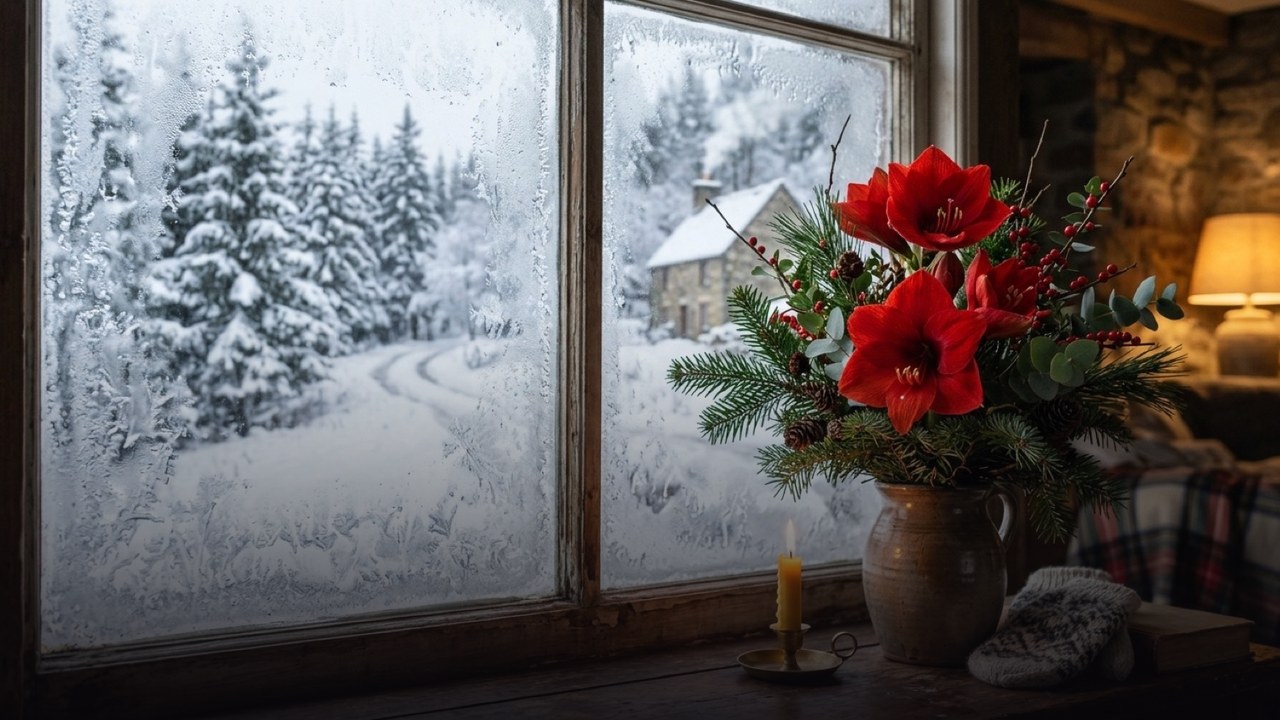
What happens to flowers in winter depends on the plant and where it is growing: many outdoor plants stop flowering and become dormant, while others finish their life cycle and die. Some plants flower in cooler months, and indoor plants may continue growing if conditions suit them. Cut flowers behave differently because they depend on water uptake and protection from both freezing conditions and excessive indoor heat.
If you are sending a bouquet to someone in Russia, the practical concern is its journey from the cold into a heated room. For garden plants, the question is whether their roots, bulbs or other living parts can survive until spring. Understanding that distinction helps you judge a bare flower bed, care for a winter houseplant and give a delivered bouquet a better start.
Why garden flowers disappear in winter
As days shorten and conditions become colder, many perennial plants reduce growth and enter dormancy. Their leaves and flowering stems may die back while living tissue remains below ground or in protected buds. A border that looks empty can therefore contain healthy plants waiting for suitable growing conditions. The absence of flowers alone does not tell you whether a plant has died.
Annual flowers have a different life cycle: they grow, flower, produce seed and die within one growing season. In some cases, seeds survive conditions that the parent plant cannot tolerate and germinate later. Bulb-forming plants can also lose their visible growth while retaining stored reserves underground. However, being a perennial or a bulb does not automatically make a plant suitable for every winter climate.
Before removing a plant that looks lifeless, identify it and check how it normally spends winter in your area. Leave healthy dormant roots undisturbed, and follow species-specific advice on pruning and protection. Soil drainage matters as well as cold: prolonged waterlogging can damage roots and bulbs. Avoid treating every brown stem as a problem that needs immediate cutting, watering or feeding.
Do any flowers keep blooming through winter?
Yes, but winter flowering depends on the species, climate and growing conditions. Some plants naturally flower during cooler periods; others bloom indoors where outdoor weather has less direct influence. A plant described as winter flowering in a mild region may behave very differently in a Russian garden. Choose using information for the actual growing location, rather than the season named on a label.
Indoor flowering plants still respond to their surroundings. Shorter days, reduced light near windows, draughts and dry heated air can affect growth and flowering. Some species need a resting period, while others have different requirements. If an indoor plant stops blooming, identify it before changing its care: extra fertiliser or frequent watering will not necessarily address the cause.
For a potted plant, check the potting mix before watering and let excess water drain away. Keep foliage away from cold glass and assess light, temperature and watering together. A cut bouquet needs a separate care routine because it has no functioning root system. If your aim is a seasonal gift, our guide to winter flowers can help you think through what to choose and send.
Bouquets we can deliver




What cold weather does to a cut bouquet
Cut flowers remain living tissue after harvest, but they can no longer draw water through roots. Their stems must take up water to help replace moisture lost from leaves and petals. Cool conditions can slow some processes involved in ageing, which is why cool storage can be useful. Freezing exposure is a different matter: it can injure tissue, and sensitivity varies between flower types.
Cold injury may appear as translucent or water-soaked patches, discoloured petals, soft tissue or collapse as the bouquet warms. Similar symptoms can have other causes, so appearance alone cannot establish what happened during transport. Flowers may also droop because they have lost water. Rehydration can help a thirsty stem, but it cannot reliably repair tissue that has been damaged by freezing.
When receiving flowers in winter, bring them indoors promptly and avoid leaving them on an open balcony, outside a door or in an unheated vehicle. If you carry a bouquet yourself, minimise the time spent outdoors and keep its protective wrapping in place during the journey. There is no single safe outdoor exposure time for every bouquet: weather, wind, packaging and flower type all make a difference.
How to care for flowers in a heated winter home
Prepare a clean vase before arranging the flowers. If the bouquet arrives very cold, place it in a cool indoor spot away from direct heat while you get ready, rather than beside a radiator to warm it quickly. Unwrap it carefully, following any care instructions supplied. Do not use hot water as a general remedy for cold exposure; flower types can have different handling needs.
Use clean tools to make a fresh cut at the stem ends, remove leaves that would sit below the waterline and place the stems in fresh water. If flower food is supplied, mix it according to its instructions rather than estimating a stronger dose. Check the water daily, replenish it as needed and clean the vase when changing water, especially if it becomes cloudy or develops an unpleasant smell.
Choose a position away from radiators, heating vents, strong sunlight and draughts from frequently opened windows or doors. A window ledge can be cold near the glass even when the room feels warm. Keep the bouquet away from ripening fruit, which releases ethylene that can shorten the life of sensitive flowers. For more detail, read about keeping flowers fresh in a heated Russian apartment.
Choosing a winter gift with the recipient in mind
Start with the person receiving the flowers: their favourite colours, preferred style and available space are more useful guides than a supposedly universal winter meaning. Pale flowers can suit a restrained arrangement, while stronger colours may appeal to someone who enjoys a brighter gift. Neither choice carries one fixed message. Use the card to say clearly whether you are celebrating, thanking someone or simply thinking of them.
In Russian gifting etiquette, an odd number of flowers is customary for a celebratory bouquet when the stems are visibly counted; even numbers are traditionally associated with mourning. This is particularly relevant to a simple bunch of one flower type. For a mixed arrangement, explain the occasion and any preferences when choosing. Personal taste and the context of the gift still deserve attention.
Think about where the recipient will be when the flowers arrive. Someone leaving work for a long outdoor journey may find a home delivery easier to manage. You can browse the bouquets catalogue, then contact a manager on WhatsApp for help choosing a bouquet and agreeing the address, delivery time and card text. You can also request a photo of the bouquet before delivery.
Arranging winter flower delivery to Russia
We deliver flowers across Russia. City delivery costs 500 RUB; for remote districts and suburbs, the operator confirms the price when confirming the order. In large cities, express delivery is available in 1–2 hours after the order is confirmed. If you are arranging a gift from abroad, distinguish the time you submit the order from the confirmation that starts that express delivery period.
You can arrange delivery at an exact time with a tolerance of plus or minus 30 minutes, select a window of 09–12, 12–15, 15–18 or 18–21, or pre-order 1–30 days ahead. Choose a time when the recipient can take the flowers indoors. The courier calls about 15 minutes before arrival. If the recipient is absent, we agree a second delivery the same day or a handover to a neighbour or concierge with the sender's consent.
Delivery is anonymous by default: the courier does not name the sender. A card with your text is free, so include your name there if you want the recipient to know who sent the gift. Online checkout uses CloudPayments; check the payment options displayed at checkout, as acceptance of every foreign card is not guaranteed. Agree the recipient's address, timing and message carefully so the gift fits their day. We deliver bouquets across Russia in 1–2 hours.
Frequently asked questions
Do all outdoor flowers die in winter?
No. Many perennial plants become dormant and retain living roots, bulbs or buds, while annual plants finish their life cycle and die. Survival depends on the species and growing conditions, so missing leaves or flowers alone are not proof that a plant is dead.
Can a bouquet recover after being outside in freezing weather?
A bouquet that has lost water may improve after appropriate care, but freezing can cause lasting tissue damage. Bring it indoors away from direct heat, place the prepared stems in fresh water and assess its condition as it warms.
Should I put winter flowers beside a radiator?
Keep a cut bouquet away from radiators and heating vents because direct heat increases moisture loss. Choose a cooler indoor position that is also protected from cold glass and draughts.
Can I send flowers to Russia if I live abroad?
You can arrange flower delivery across Russia and agree the recipient's details and timing with a manager. Online checkout uses CloudPayments; check the available options there because acceptance of every foreign card is not guaranteed.
Ready to send flowers?
Pick the city, choose the bouquet, and a local florist takes it from there.
Choose a city →