Which Vases Work Well for a Single Stem or a Small Bunch of Flowers?
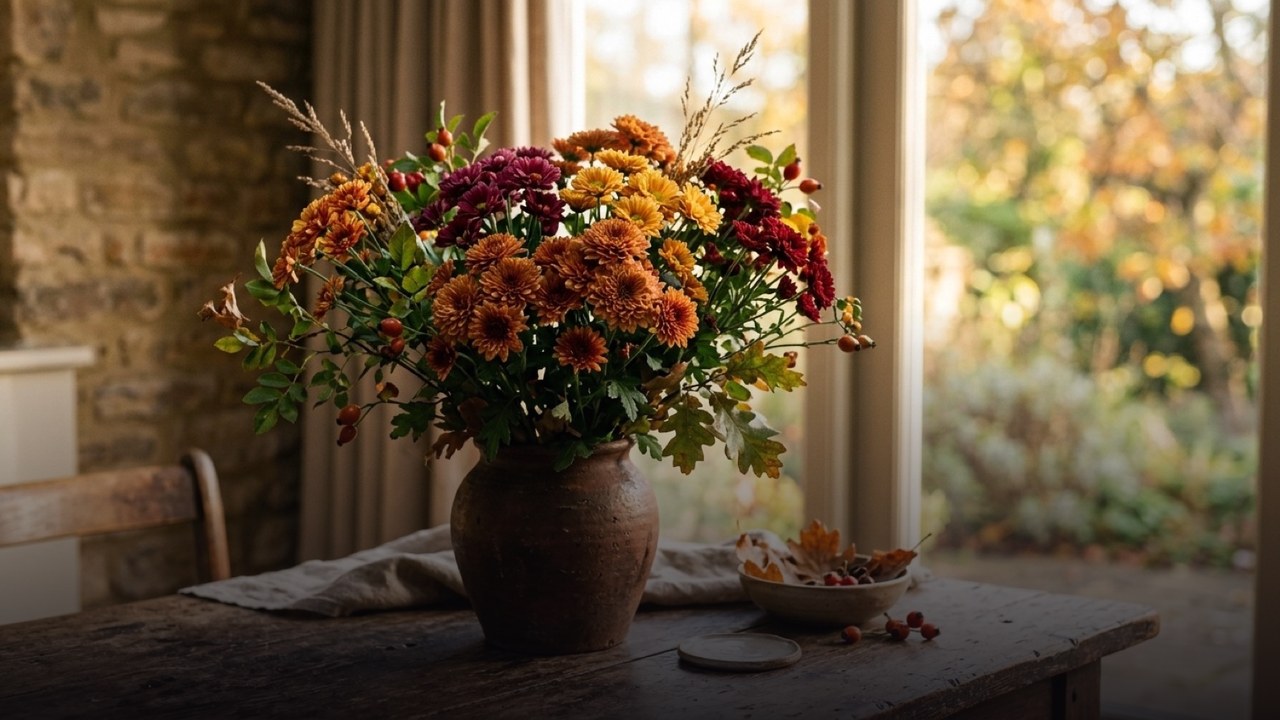
A narrow-necked bud vase works well for a single stem, while a small cylinder or a gently rounded vase with a modest opening suits a small bunch of flowers. Choose enough height to support the stems and a base wide enough to balance the flower heads. The opening should hold your arrangement loosely together without squeezing the stems.
The useful distinction is between the width of the vase body and the width of its mouth: a generous body can hold water while a narrower neck supports just a few flowers. Before choosing, look at the weight of the heads, the length and stiffness of the stems, and where the arrangement will stand. A vase that looks right empty may need shorter stems or fewer flowers once you fill it.
For one stem, match the neck and base to the flower
For a single rose, carnation or similar upright flower, start with a bud vase whose neck supports the stem without gripping it. The head should sit clear of the rim, with enough exposed stem to give it space. If the flower leans sharply sideways, shorten the stem a little or choose a taller vessel; forcing it upright against a tight opening can damage it.
A slender bottle can work for a light flower, provided it stands securely and you can clean the inside. A tall, heavy flower head needs a broader, heavier base. Test the balance where you intend to display it, especially on a narrow shelf or a table that gets bumped. Adding water helps stability, but it cannot reliably compensate for a top-heavy arrangement.
A branching stem needs a different judgement from a stem carrying one small bloom. Even though it counts as one stem, its side shoots may spread widely or pull the arrangement to one side. Use a wider-based vase with room at the opening, and turn the branch until it rests naturally. Do not strip away healthy flowers simply to make it fit a tiny bottle.
For a small bunch, choose an opening that gathers the stems
A small cylinder is a useful starting point for several stems of similar length. Its straight sides make it easy to see and adjust their positions, particularly in clear glass. Choose an opening that lets the stems cross slightly while leaving space between them. If they stand in a tight plug, the vase is too narrow; if they fall flat around the rim, it may be too wide.
A rounded vase with a narrower neck is helpful when you want a small bunch to look gathered rather than scattered. The body provides water capacity while the opening brings the stems together. Check that the lower stems still have room: a small mouth above a very shallow body can look suitable but leave little space for water or for adjusting the arrangement.
For short stems, try a low tumbler or a small jug with a stable base. These work especially well on a dining table, where a tall arrangement can interrupt conversation. Let the flowers sit just above the rim rather than hiding their heads inside it. If your bunch contains very different stem lengths, splitting it into separate vases may give you a more balanced display.
Bouquets we can deliver




Set the height by looking at the whole arrangement
As a starting point, let the flowers extend roughly half to one vase-height above the rim, then adjust by eye. This is a design guide, not a care requirement: a compact carnation and a tall branching flower need different proportions. Look at the arrangement from the side as well as the front. The vase should support the stems without visually swallowing the flowers.
Hold each stem beside the vase before cutting it. Make a conservative first cut, place it in water, and shorten it again if needed; you cannot restore length afterwards. Keep enough stem inside the vessel for support and make sure the cut end reaches the water comfortably. A flower balanced high above a shallow splash of water will need frequent attention.
Arrange a small bunch around its strongest or most visually prominent stem, then add the others at slightly different heights. Turn the vase as you work so you can spot an empty side or an unstable lean. If the display is for a desk or bedside table, check its footprint too: a graceful spray can still catch a sleeve, obscure a screen or spill over a book.
Choose materials you can clean, and watch the water
Clear glass is practical because you can see the water level and notice fallen leaves or cloudy water. Opaque ceramic can make a simple bunch look composed and hide crossing stems, but you must check inside regularly. Use ceramic that is watertight and suitable for holding water; decorative vessels with cracks or porous surfaces may need a separate watertight insert.
Wash the vase thoroughly before arranging flowers, paying attention to the base and the inside of the neck. A bottle brush is useful for narrow vessels. If you cannot reach or properly rinse the interior of a decorative bottle, choose a more accessible vase for regular use. Residue left from an earlier bunch is a practical reason to change vessels, even when the bottle looks attractive.
Remove leaves that would sit below the waterline, use clean cutting tools, and add fresh water. Follow the instructions if you have cut-flower food. Check the level daily, especially in a bud vase with a small reservoir, and refresh the water and clean the vessel if it becomes cloudy or develops an odour. Keep the display away from direct sun, heaters and ripening fruit.
Let the flower's shape guide the final choice
Tulips may continue growing and bending after cutting, so leave space around their heads and expect the outline to change. A supportive cylinder can help gather a small bunch while allowing that movement. Avoid wedging stems into a tight neck to force a fixed shape. If a stem droops unexpectedly, check its water supply and condition before assuming that it simply needs a narrower vase.
A lily stem can carry several buds and flowers, making it heavier and wider as blooms open. Give it a stable vessel and leave room around the buds rather than judging the fit only on the first day. Keep lilies out of homes with cats because they are highly toxic to them, including their pollen and vase water; choose another flower if you are unsure about the household.
Small-headed flowers often look effective in a group of two or three separate bud vases, each holding a stem or a short sprig. Place the vessels close enough to read as one display, but leave room to lift each one for cleaning. For a single large bloom, one slightly broader vase can look more comfortable than several tiny bottles. The aim is support, balance and enough space for the flower to open.
When sending flowers to Russia, think about the recipient's space
If you are choosing flowers for someone in Russia, consider where they will put them and what vase they already own. A compact bunch can be easier to accommodate on a work desk or a small table. Browse the bouquets catalogue, then contact a manager on WhatsApp for help choosing a bouquet and agreeing the address, timing and card text. You can also ask for a photo of the bouquet before delivery.
Turboflora delivers flowers across Russia. City delivery costs 500 RUB; an operator confirms the delivery price for remote districts and suburbs when confirming the order. In large cities, express delivery is available in 1–2 hours after confirmation. Other timing options include an exact time within a 30-minute margin, the windows 09–12, 12–15, 15–18 or 18–21, and advance orders placed 1–30 days ahead.
Delivery is anonymous by default: the courier does not name the sender, and a card with your text is free, so sign the message if you want the recipient to recognise you. The courier calls about 15 minutes before arrival. If the recipient is absent, we agree a second delivery that day or a handover to a neighbour or concierge with the sender's consent. See delivery and payment; online checkout uses CloudPayments, and you should check the payment options displayed there.
Frequently asked questions
What is the best vase for just one flower?
A bud vase with a narrow neck and a stable base is a useful choice for one upright flower. Match its height and weight to the stem: a large or branching flower needs more support than a small, light bloom.
Can I use a drinking glass for a small bunch?
Yes, a clean, stable drinking glass can hold a short bunch well. Trim the stems to suit its height and check that the opening gathers them without crowding them.
How much water should a small vase contain?
Keep the cut ends comfortably submerged and remove any leaves below the waterline. Check daily because a narrow vase can hold little water, and follow any care instructions supplied for the flowers.
Why do a few flowers look lost in my vase?
The opening may be too wide for the number of stems, allowing them to spread around the rim. Try a smaller vessel or divide the flowers between bud vases, then adjust the stem lengths to suit.
Should I keep a small bunch tied together in the vase?
Remove wrapping and loosen any binding that compresses the stems or prevents you from cleaning them. You can usually recreate a gathered shape with a suitably narrow vase opening, while leaving room to inspect the stems and change the water.
Ready to send flowers?
Pick the city, choose the bouquet, and a local florist takes it from there.
Choose a city →