What Does Yo Moyo Mean in Russian?
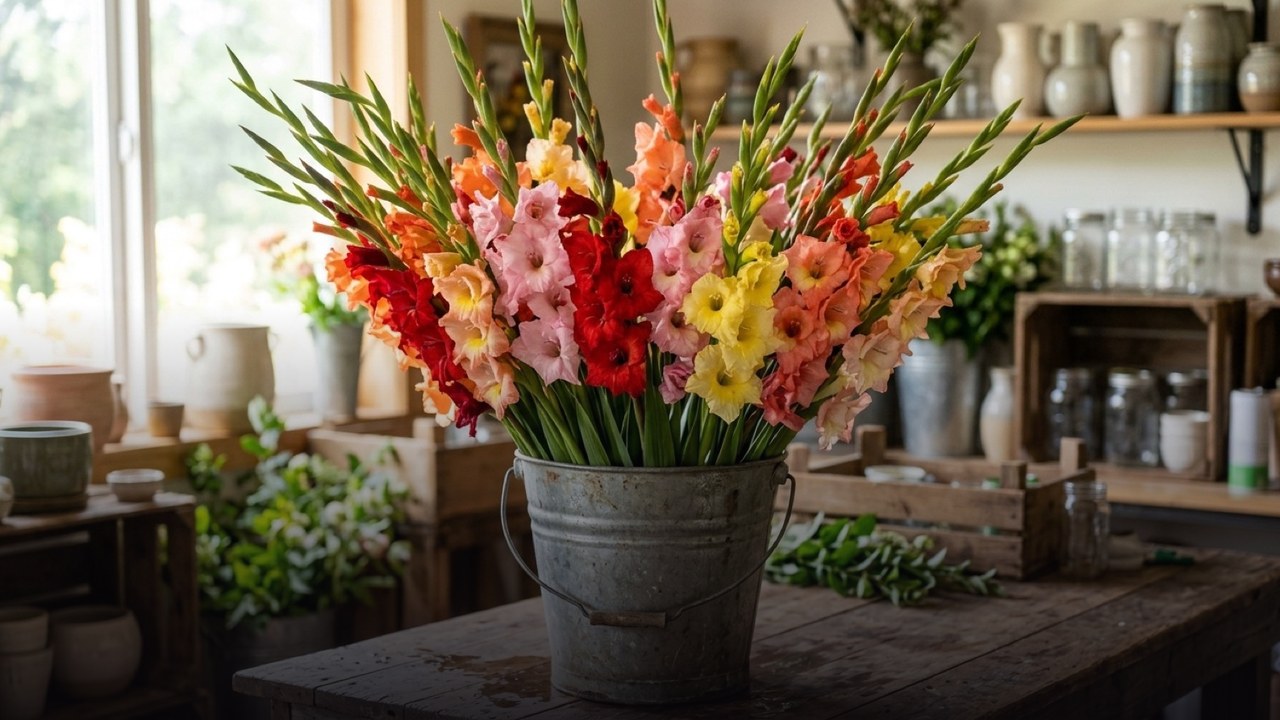
“Yo moyo” is a colloquial Russian exclamation meaning something like “Oh my!”, “Good grief!” or “Oh, come on!”, depending on the situation. It expresses surprise, frustration, dismay or amused disbelief; it is not a declaration of love.
You might hear it when someone drops their keys, sees an unexpected bill or opens the door to a surprise bouquet. The words alone do not tell you whether the reaction is happy or irritated: listen to the voice and look at what has just happened. If you are choosing words for someone in Russia, that distinction matters more than a literal translation.
How to say and recognise yo moyo
English spellings vary because people write Russian sounds in different ways. You may encounter “yo-moyo”, “yo moyo” or “yo-mayo” for the same expression. A useful pronunciation guide is “yo ma-YO”: the opening sound resembles “yo” in “yo-yo”, and the last syllable carries the stress in the second word.
The spelling “mayo” can help an English speaker hear the reduced vowel in the middle, but it has nothing to do with mayonnaise. Nor should you treat the phrase as two English words with separate meanings. Learn it as one short spoken reaction, much as you would learn “for goodness’ sake” as a complete expression.
You do not need to change the expression to match the speaker’s gender or the person being addressed. Its meaning comes mainly from delivery: a sharp burst can signal annoyance, while a drawn-out version can suggest astonishment. If you are practising, use a mild, conversational voice before trying a dramatic imitation.
What it means in everyday situations
After a small mishap, “yo moyo” often works like “Oh, for goodness’ sake!” Imagine someone reaching the front door and realising their phone is still upstairs. The expression comments on the inconvenience. It does not necessarily blame anyone, although an irritated tone can make it sound like a complaint.
In a pleasant surprise, the same words can be closer to “Oh my goodness!” A recipient who sees an unexpectedly large bouquet might say them while smiling or laughing. Do not interpret that reaction as disappointment without other signs. Their next words, facial expression and response to the gift will give you a clearer answer.
Between friends, it can also carry affectionate exasperation: “Yo moyo, you remembered!” That mixture of surprise and emotion is difficult to capture with one English equivalent. When translating a message or a scene, choose the English reaction that fits the event instead of replacing every occurrence with exactly the same phrase.
Bouquets we can deliver




Is yo moyo rude, romantic or suitable for a card?
“Yo moyo” is an informal, softened exclamation associated with avoiding a stronger swear. It is generally milder than explicit profanity, but that does not make it suitable for every audience. It can sound rough, theatrical or overly familiar in a formal conversation, especially when you use it to react to someone else’s mistake.
With close friends who already use the expression, it may be perfectly ordinary. For a teacher, a new colleague, an older relative you address formally or someone you do not know well, choose a straightforward greeting instead. You do not need a colourful Russian expression to make a flower message feel personal and considerate.
It is also not a romantic nickname. The similar-looking phrase “ty moyo vsyo” means “you are my everything”, which is a very different message. If that is what you wanted to say, our guide to ty moyo vsyo explains the distinction. Removing “ty” and “vsyo” does not leave a shortened version of the same declaration.
Better words to put with flowers
For a romantic bouquet, say what you actually want the recipient to know: “I love you”, “I miss you” or “I’m thinking of you today.” These are clearer than an unfamiliar expression copied from a video. If English is a language you share comfortably, a sincere English message can be more effective than Russian slang you would not normally use.
For a birthday, try “Happy birthday, Anna. I wish I could celebrate with you today.” For thanks, make the reason specific: “Thank you for looking after Dad this week. It means a lot to me.” A name and one concrete detail give the card its warmth; you do not need a long speech or an elaborate quotation.
For an apology, keep responsibility in the sentence: “I’m sorry I missed your call when you needed me. I’d like to talk when you’re ready.” “Yo moyo” could make that message sound dismissive or focused on your own frustration. Flowers can accompany an apology, but the card should still acknowledge what happened without asking the recipient to forgive immediately.
Choose a bouquet for the person and the occasion
Start with what the recipient likes: a favourite colour, a flower they have mentioned or the sort of arrangement they enjoy having at home. If you do not know, describe the occasion and your relationship when asking for help. “A cheerful birthday gift for my sister” gives more useful direction than trying to turn an exclamation into a flower theme.
Consider where the flowers will stand. A compact bouquet may be easier to accommodate on a desk or a small table, while a larger arrangement needs more clear space. If scent is a concern, mention that before choosing. You can use the bouquets catalogue to identify colours and shapes you like, then discuss the details that matter to your recipient.
For cut flowers, use a clean vase, remove foliage that would sit below the waterline and refresh the water regularly. Keep the bouquet away from direct heat and strong sun. Care needs vary by flower, so ask for guidance for the chosen bouquet rather than assuming every stem should be treated identically. These practical details help the recipient enjoy the gift after the surprise.
How to arrange flower delivery in Russia
We deliver flowers across Russia. City delivery costs 500 RUB; for remote districts and suburbs, the operator confirms the delivery price when confirming the order. Before ordering, prepare the recipient’s address, contact number, preferred delivery date and your card text. If you are organising the gift from abroad, check the intended time in the recipient’s city.
In large cities, express delivery is available within 1–2 hours after the order is confirmed. You can also arrange an exact time with a tolerance of 30 minutes either way, choose a window of 09–12, 12–15, 15–18 or 18–21, or pre-order 1–30 days ahead. Contact a manager on WhatsApp for help choosing a bouquet, agreeing the time, address and card text, and a photo of the bouquet before delivery.
Delivery is anonymous by default: the courier does not name the sender, and a card with your text is free. Sign it if you want the recipient to know who sent the flowers. The courier calls about 15 minutes before arrival. If the recipient is absent, we agree a second delivery that day or, with your consent, hand the flowers to a neighbour or concierge. Online checkout uses CloudPayments; check the payment options displayed there, as acceptance of every foreign card is not guaranteed. See delivery and payment for the service information.
Frequently asked questions
What is the closest English translation of yo moyo?
“Oh my!”, “Good grief!” and “Oh, come on!” are useful equivalents. Choose according to whether the speaker sounds surprised, dismayed or annoyed.
Does yo moyo mean “my love”?
No, it is an exclamation rather than a term of affection. “Ty moyo vsyo”, meaning “you are my everything”, is a separate phrase.
Is yo moyo a swear word?
It is a softened, informal substitute for a stronger exclamation rather than explicit profanity. It can still sound too casual or exasperated in a formal setting.
Why do people also write it as yo-mayo?
Both spellings attempt to represent the same Russian expression in Latin letters. “Yo-mayo” reflects how the unstressed vowel in the second word can sound in speech.
Can I write yo moyo on a flower card?
It can work as a private joke if the recipient already shares that joke with you. For affection, thanks or an apology, a direct message makes your intention easier to understand.
Ready to send flowers?
Pick the city, choose the bouquet, and a local florist takes it from there.
Choose a city →